
Reviewed · HAGIA SOPHIA TOURS
Hagia Sophia History & Experience Museum Entry Tickets
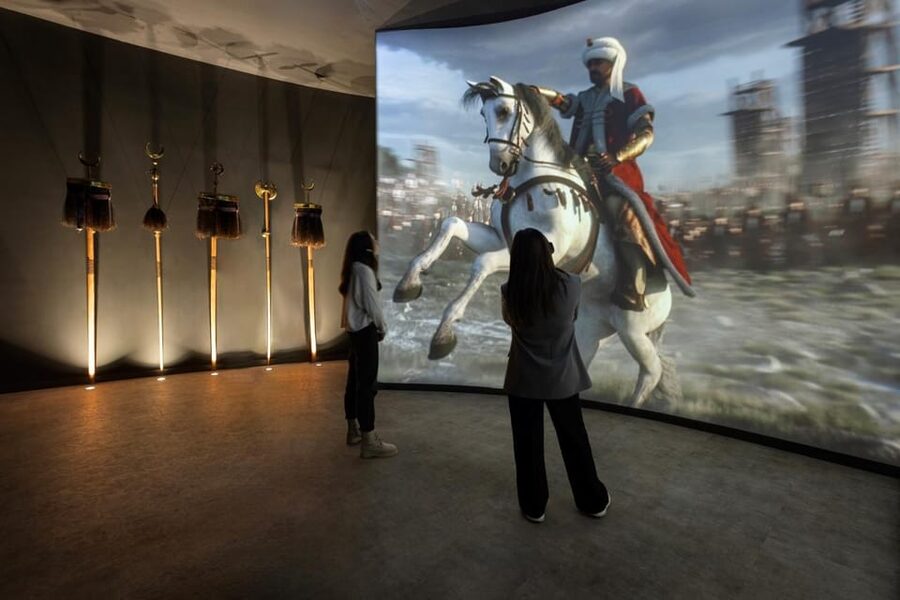
The Hagia Sophia History & Experience Museum is interesting because it turns a famous landmark into a multi-sensory learning experience. Instead of just reading labels, you follow a storyline that moves through the building’s Byzantine-to-Ottoman chapters, with interactive tech meant to make the shifts feel understandable.
I like that the ticket is built for independence. You get a digital audio guide, and you can slow down or speed up as you go. One drawback to plan for is that this isn’t set up like a long, sit-everywhere museum, so if you need frequent rests, it helps to know you may have limited places to pause.
Key Things I’d Plan Around

- Chronicles Byzantine to Ottoman eras in a clear narrative flow, so the landmark’s identity change makes sense faster
- Multi-sensory interactive exhibits that use tech instead of only static displays
- Digital audio guide in a separate app, so you control how much detail you want
- Skip-the-ticket-line entry is included, but security lines can still be busy during peak hours
- Not a guided tour, so you enter on your own with your QR code
- Historic building feel means careful footwear, phone silence, and rules about what you can’t bring
Why This Hagia Sophia Ticket Feels Different Than a Usual Museum Visit
If you have ever walked into a museum and felt like you were fighting your way through facts, this ticket has a different goal. It’s designed as a multi-sensory journey, with interactive exhibits and technology that aim to help you connect the dots between eras rather than memorizing dates.
What I like about this approach is that it respects how people actually process information on the road. You can watch and listen, then step back and look at what the exhibits are trying to show. The setting also adds gravity. You are inside one of Istanbul’s best-known icons, so even a self-paced visit feels meaningful.
The experience is also clearly themed. The museum experience is meant to chronicle the Hagia Sophia story from its Byzantine cathedral origins through the Ottoman mosque era, and finally into its current role as a museum. That “then and now” structure matters. It helps you understand the building as something that changed over time, instead of treating it like a single frozen moment.
More Hagia Sophia tours and tickets:
- Istanbul: Hagia Sophia Skip-the-Line Ticket & Museum Option
★ 3.7 · 4,958 reviews - Istanbul: Blue Mosque & Hagia Sophia Guided Tour w/ Tickets
★ 4.8 · 3,600 reviews - Istanbul: Hagia Sophia Skip-the-Line Ticket and Audio Guide
★ 4.3 · 2,246 reviews
The Story Path You’ll Follow Inside (And What It Means for Your Visit)
You should expect the museum to guide you through the big turning points. The highlights point to a timeline approach, and that’s exactly what you can plan for when you arrive.
Byzantine to Ottoman: Why the timeline matters
The museum is built to explain why the building’s identity shifted. You’re not just seeing two unrelated chapters. The exhibits are meant to show how each era left its mark, and how those layers shape what you experience today. Even if you already know the basics, the timeline structure is useful because it frames what you are seeing in the moment.
A focus on architectural marvels
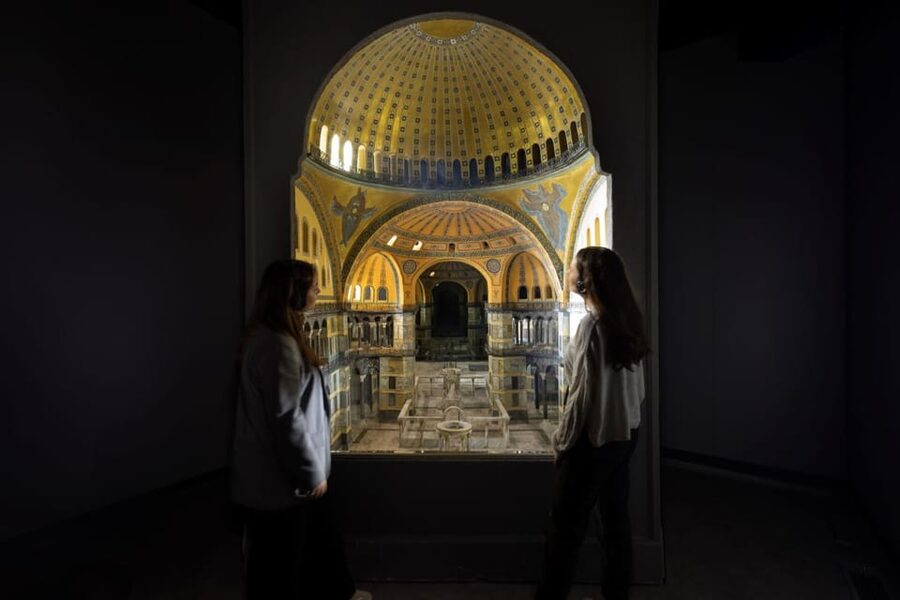
Another key theme is architecture. The museum promises “iconic architectural marvel” showcases, supported by interactive technology. Practically, that means you’ll spend time looking at features and concepts, not only reading about them. It’s a good fit if you learn better by seeing something explained visually or through an interactive format.
A few more Istanbul tours worth comparing
- Istanbul: Hodjapasha Whirling Dervishes Show & Exhibition
★ 4.4 · 4,790 reviews - Istanbul: Topkapi Palace & Harem Museum Ticket & Audio Guide
★ 4.1 · 3,977 reviews - Istanbul Hodjapasha Whirling Dervishes Show & Exhibition
★ 4.0 · 503 reviews - Istanbul: Topkapi Palace and Harem Museum Tour with Ticket
★ 4.7 · 247 reviews
Religious harmony and artistic achievement
The museum also frames Hagia Sophia as a symbol tied to religious harmony and artistic achievement. That affects the tone of the visit. It’s not presented only as a political or factual timeline. You’ll likely come away with a more human understanding of why this building is globally significant.
The Multi-Sensory Exhibits: When They’re Worth Your Time
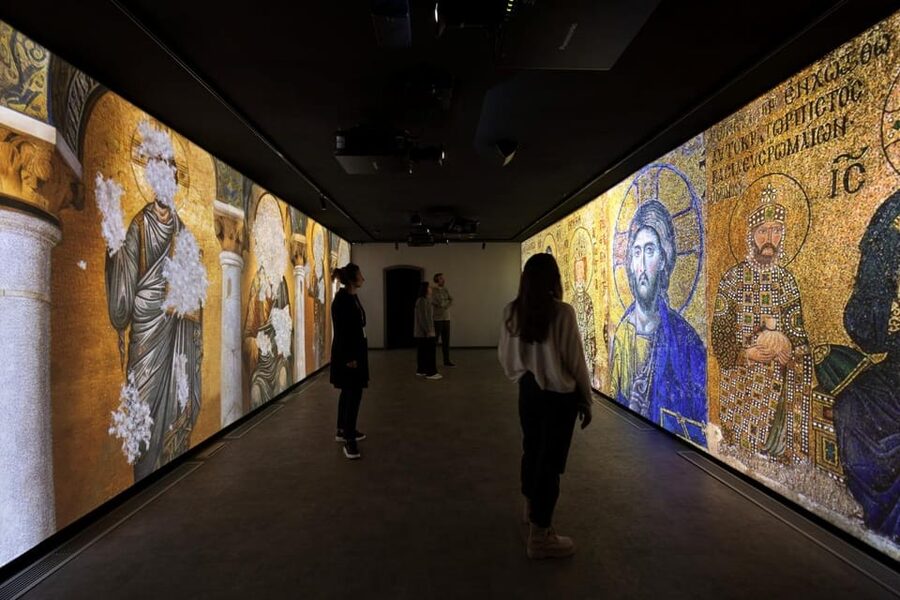
This is the heart of the ticket. The museum is specifically described as using multi-sensory interactive exhibits, and that promise is the reason to choose this format over simpler entry.
Here’s how to think about it during your visit:
- Interactive elements tend to be best when you give them a few minutes without rushing to the next room.
- Audio support helps you move from recognition to comprehension, especially when the building’s story stretches across different cultures and eras.
- Technology can turn a complicated timeline into something you can actually follow in a single visit.
At the same time, I want you to have your eyes open. One downside shows up in the way digital experiences sometimes land. If you are the type who already learned a lot from online videos, you might feel the museum leans heavily on video and audio-style content. In that case, the ticket may not feel as different as you hoped.
Still, for many people, the advantage is timing and context. You are standing in the real place while the story plays out. That combination is hard to replicate at home.
The Digital Audio Guide App: How to Use It Without Stress
This ticket includes a digital audio guide. It’s delivered through a separate app, and your voucher also includes a link you can use.
A few practical tips so this doesn’t become annoying:
- Download or get ready ahead of time. The digital guide link is not something you want to scramble for once you’re already in a line.
- Plan to keep your phone quiet inside. The museum rules ask you to silence your phone while you’re inside.
- Use it like a menu, not a script. If a section feels repetitive, skip ahead in the guide rather than forcing yourself to listen every second.
Also note the audio guide delivery timing. Your QR-code tickets and audio guide link are sent one day before your tour date by email and WhatsApp (if you use it). That means you’ll want to check spam folders and make sure you can access those messages when the day comes.
And yes, the audio guide is part of the value. Without it, the interactive exhibits still work, but the audio is what turns your experience into something closer to guided learning, just at your own pace.
Skip the Ticket Line, But Still Expect Lines at Security
This is where expectations can get tricky. The ticket includes skip the ticket line entry, but the museum also warns that your ticket does not provide priority access. During peak seasons, you should expect lines at security checkpoints.
So what does that mean for you?
- You might save time waiting for ticket-related processing.
- You should still budget time for security.
- In the busiest periods, entry can take longer than usual.
If your schedule is tight, your best move is simple: arrive early in the day. The museum is open from 9:00 a.m. to 7:00 p.m., and later hours can mean more crowd pressure.
Also, because you’re entering on your own, you’ll want a little extra patience and a clear plan for where you’ll go next once you’re through. A “timed ticket” helps, but it does not erase the reality of security lines in Istanbul.
Self-Paced Entry Means You Need to Navigate Confidently
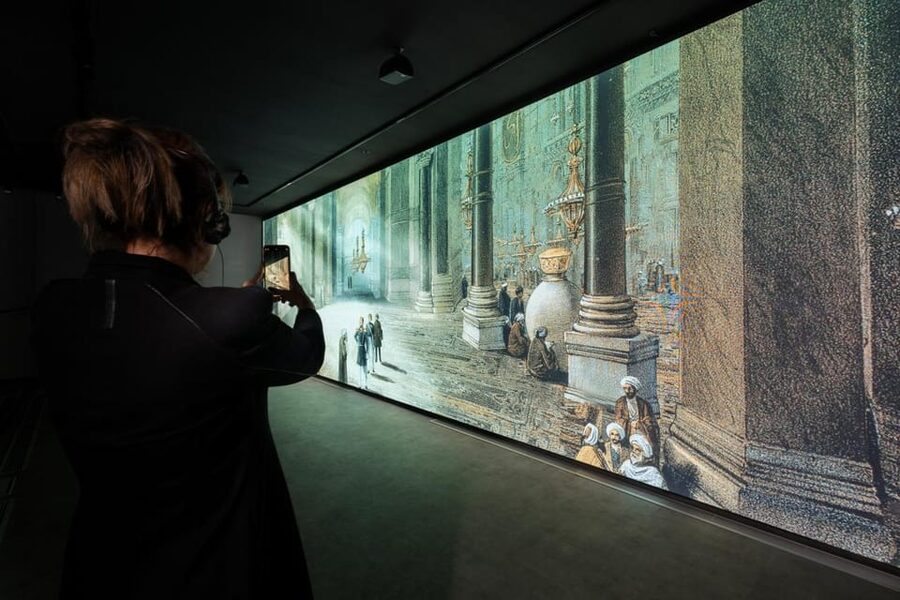
This is not a guided tour. There’s no group meeting point and no guide herding you into the right room. You enter independently using your QR code at the provided address.
That can be a dream for some travelers. You avoid group pacing, and you decide how long you want to spend in each section. For others, it can feel like extra mental load, especially the first time you’re trying to find the correct entrance in a busy area.
One common problem with self-guided entry is simple: people assume the meeting point is obvious when it isn’t. Your safest approach is to treat your arrival like a mission:
- Read your voucher carefully so you know which entrance area you’re aiming for.
- Give yourself extra time for the walk from where you stop to where you enter.
- Have your QR code ready before you reach the check.
It’s also a good idea to keep your ID on you. The museum asks for a passport or ID card.
What to Bring (And What Will Get You Turned Away)
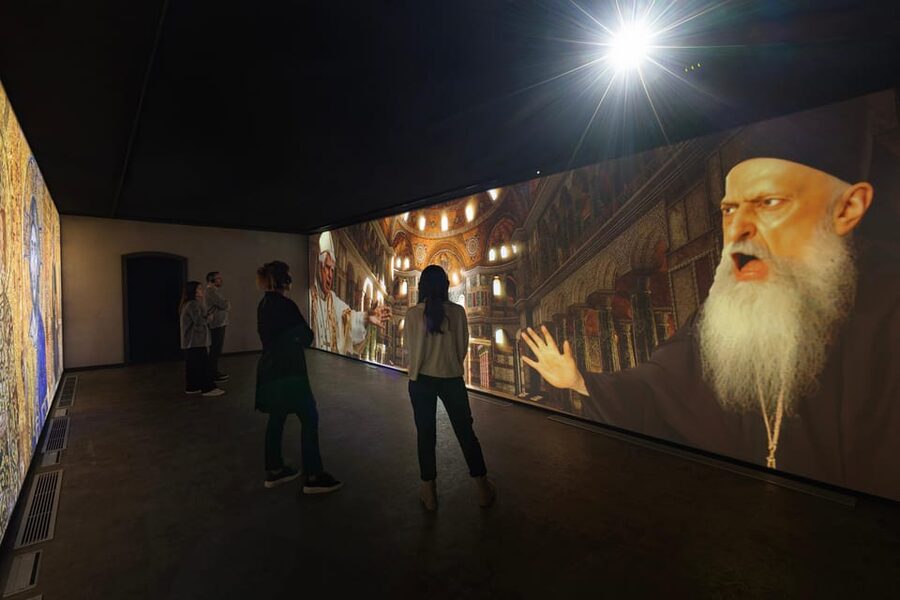
The rules here are strict, and it’s smart to take them seriously. You’ll have a smoother entry if you come prepared.
Bring
- Passport or ID card
- Comfortable shoes, especially since non-slip shoes are recommended due to historic steps
Don’t bring
- Weapons or sharp objects
- Smoking
- Food and drinks
- Luggage or large bags
- Pets (assistance dogs allowed)
- Selfie sticks
- Flash photography
- Alcohol and drugs
- Video recording
- Flashlight
- Touching the exhibits
- Loose clothing
- Making noise
If you like taking photos, plan for a reality check. Flash photography is not allowed, and video recording is also not allowed. That means you should be ready to enjoy the experience without documenting everything.
If you have mobility needs, the rules also matter. A historic structure with original steps means you should expect uneven navigation. Wheelchair access is listed as available, and wheelchair-using visitors are recommended to bring a companion to move more comfortably around exhibit areas.
Comfort, Timing, and Why This Museum Can Feel Fast
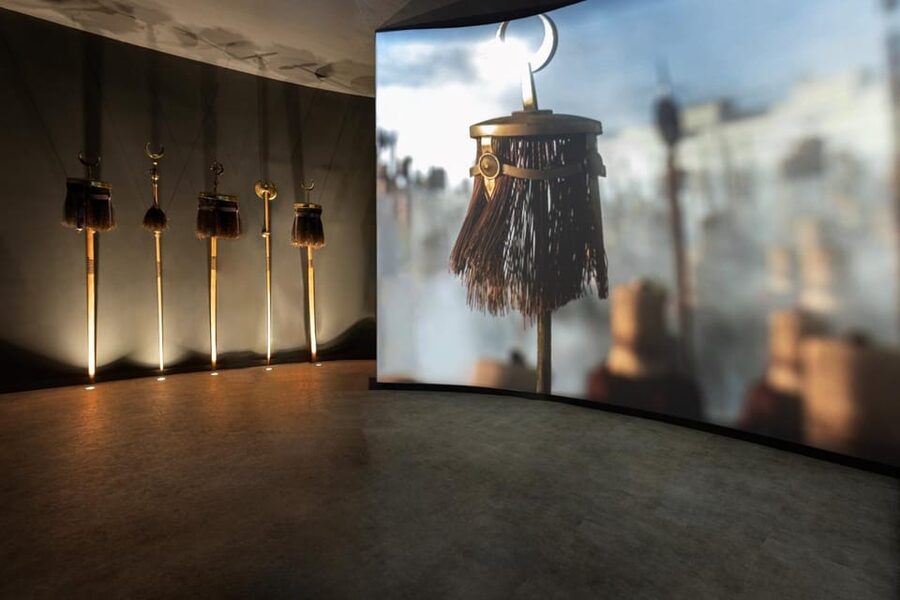
Your experience depends a lot on your pace. The museum is built as an experience, not a slow afternoon of wandering.
A recurring theme that can affect comfort: the museum may not be designed with lots of seating. If your knees or back need regular rest stops, plan to take micro-breaks when you can and avoid assuming there will be a place to sit whenever you want one.
Also remember: this place is time-sensitive during busy periods. Since entry can take longer at security, and because you are self-paced, you may feel some pressure to keep moving once you get inside.
My practical advice is to treat it like a “focused visit.” Go in with a plan to cover the main exhibits, and don’t try to do everything with zero downtime.
Price and Value: Is $34 for This Experience a Good Deal?
At $34 per person, the ticket is priced like an experience product, not a basic entry-only pass. So the value question comes down to what you’re buying beyond the building itself.
In this case, you’re paying for:
- Entry tickets for the Hagia Sophia History and Experience Museum
- Skip the ticket line entry
- A digital audio guide
That audio guide is often the deciding factor. If you’ll actually use it, $34 can feel reasonable because it turns a self-paced museum visit into an easier-to-follow story. If you plan to walk through quickly with minimal listening, you may feel the cost is higher than it should be.
There’s also a smart booking angle in the way it’s offered. You can reserve now and pay later, and there is free cancellation up to 24 hours in advance. That flexibility can be worth something in Istanbul, where plans change fast.
Where value can drop is when you expect this ticket to function like a human-led tour. It’s not. The content and the pacing are driven by the exhibits and the audio guide. If you want a live guide to answer questions, this isn’t built for that.
Who This Works Best For (And Who Might Want Something Else)
This ticket is a strong fit for you if:
- You like interactive exhibits and learning through visuals and audio
- You want a clear storyline from Byzantine to Ottoman eras
- You prefer independence over group tours
- You will use the digital audio guide instead of skipping it
You might want to think twice if:
- You need lots of places to sit, because you may find limited seating
- You have mobility concerns and would rather have staff support (even though wheelchair access is listed, there are historic steps)
- You already know the story deeply and hate repeating video and audio content
It’s also not suitable for children under 8 years old.
If you’re traveling with family, consider the age limit first. If everyone is 8+, a self-paced format can work well, as long as children can follow the rules like keeping phones silent and not making noise.
Should You Book This Hagia Sophia History & Experience Museum Ticket?
I’d book it if you want a self-paced way to understand the Hagia Sophia story, with multi-sensory exhibits and an included digital audio guide. The structure is built to connect eras, and the tech-supported format makes the experience easier to follow than a basic museum layout.
Skip booking only if you already feel you know the content well and you’re expecting a live guided explanation. Also consider skipping if seating and mobility support are major needs for you, since this is in a historic space with original steps and you may be mostly on your feet.
If you do book, set yourself up for success: arrive before crowds build, keep your QR code ready, and treat the audio guide as your roadmap. That combination is where the $34 starts to feel like value, not just a ticket price.
FAQ
What’s included with this Hagia Sophia History & Experience Museum entry?
Your ticket includes Hagia Sophia History and Experience Museum entry, skip the ticket line entry, and a digital audio guide.
Is this a guided tour?
No. This is not a guided tour. You enter on your own using your QR-code ticket at the provided address.
How will I receive my tickets and audio guide?
Your activity provider sends your QR-code tickets and the digital audio guide link one day before your date via email and WhatsApp (if used). The voucher also shows the audio guide link.
What time is the museum open?
The Hagia Sophia History and Experience Museum is open from 9:00 a.m. to 7:00 p.m. (19:00).
How long is the ticket valid?
The ticket is valid for 1 day. You can check availability to see starting times.
What is the minimum age to enter?
The age limit is 8 years old and above.
Can I cancel and get a full refund?
Yes. Free cancellation is available up to 24 hours in advance for a full refund.
Are selfie sticks or video recording allowed?
No. Selfie sticks are not allowed, and video recording is not allowed.
Is the museum wheelchair accessible?
Yes. The venue is wheelchair accessible, and the museum recommends wheelchair-using visitors bring a companion to help navigate comfortably.
More Historical Tours in Istanbul
- Istanbul Gedikpasa Historical Turkish Bath with Privacy Option
★ 5.0 · 1,285 reviews - Istanbul: Acemoglu Historical Turkish Bath w/Private Options
★ 4.6 · 1,190 reviews - Istanbul: Gedikpasa Historical Hammam with Privacy Add-On
★ 4.8 · 918 reviews - Istanbul Historical Tour with Guide, Lunch and Transfers
★ 4.5 · 561 reviews
Recently reviewed around Istanbul
- 2 Days Cappadocia Tours from Istanbul★ 5.0 · 3 reviews
- Cappadocia Tour from Istanbul 2 Days 1 Night by Plane included Balloon Ride★ 5.0 · 43 reviews
- Cappadocia Tour Package from Istanbul by flight★ 5.0 · 9 reviews
- From Istanbul: 2-Day Cappadocia Highlights Tour by Plane★ 5.0 · 8 reviews
- 2-Day Gallipoli Tour from Istanbul – Small Group★ 4.0 · 67 reviews
- 2-Day Troy and Gallipoli Tour from Istanbul★ 4.5 · 32 reviews
- 2-Day Gallipoli and Troy Tour from Istanbul and return★ 5.0 · 17 reviews
- 2 Day Ephesus and Pamukkale Tour From Istanbul★ 4.5 · 28 reviews
Hagia Sophia Tours, compared.

Hagia Sophia Skip-the-Line Ticket & Museum Option
Read our review →
Blue Mosque & Hagia Sophia Guided Tour w/ Tickets
Read our review →
Hagia Sophia Skip-the-Line Ticket and Audio Guide
Read our review →

Blue Mosque, Hagia Sophia, & Basilica Cistern Tour
Read our review →
Hagia Sophia Skip-the-Line Ticket with Audio Tour
Read our review →
Blue Mosque, Basilica Cistern, & Hagia Sophia Tour
Read our review →
Hagia Sophia Skip-the-Ticket Line & Audio Guide
Read our review →Browse the lists this tour appears in