
Reviewed · BASILICA CISTERN TOURS
Istanbul: Cistern of Theodosius Entry Ticket and Audio Guide
Istanbul’s Cistern of Theodosius is interesting because it is one of those places where you step underground and realize the city had to solve big problems, like water, long before modern tech existed. I love how the visit is self-paced with an audio guide, so you can slow down for the details that matter.
Two other things I really like: the entry is designed to help you avoid the ticket line, and the cistern’s scale is genuinely impressive once you’re inside. The only drawback to consider is that it is not a guided tour, so if you want a live guide to explain everything, you’ll have to rely on the audio narration.
You’ll also want to be ready for a bit of ticket-handling friction if you have trouble receiving tickets online, which has come up in past experiences.
Quick take: what makes this ticket worth your time
- Line-skip entry helps you get moving fast.
- QR access at the entrance makes check-in smoother.
- Audio guide narration turns columns and vaults into a story.
- Byzantine roots plus Ottoman expansion show up in the design.
- Underground calm can feel quieter than the most famous cistern.
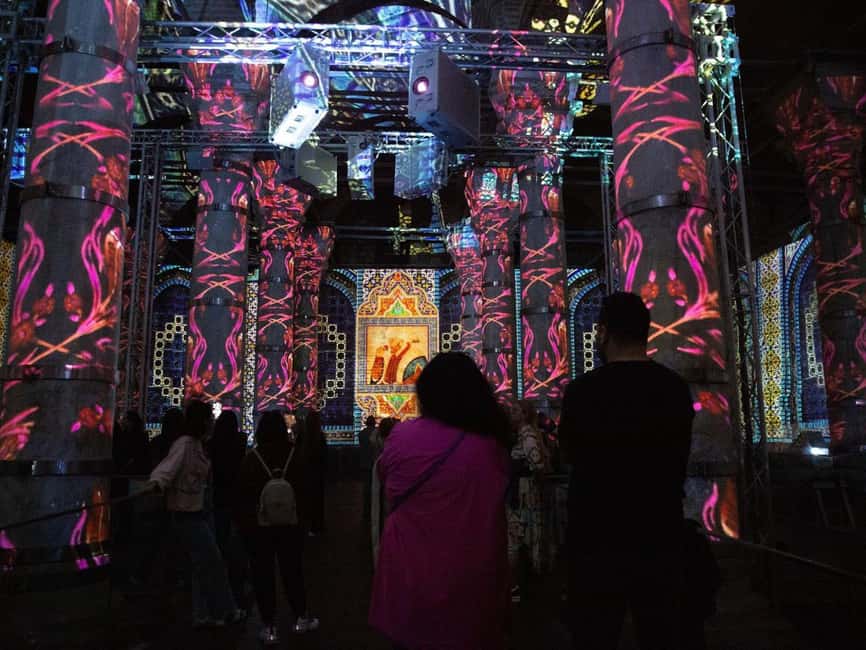
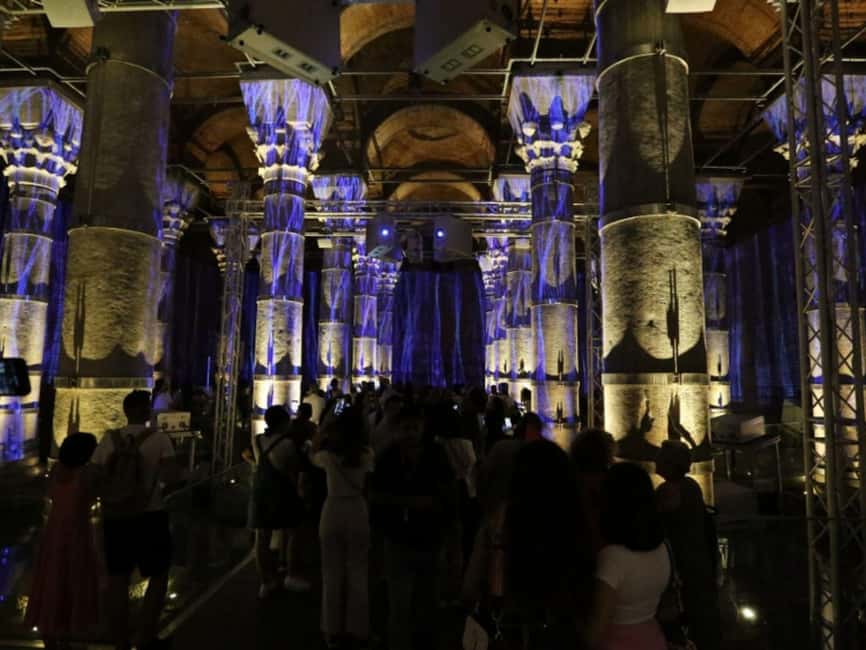
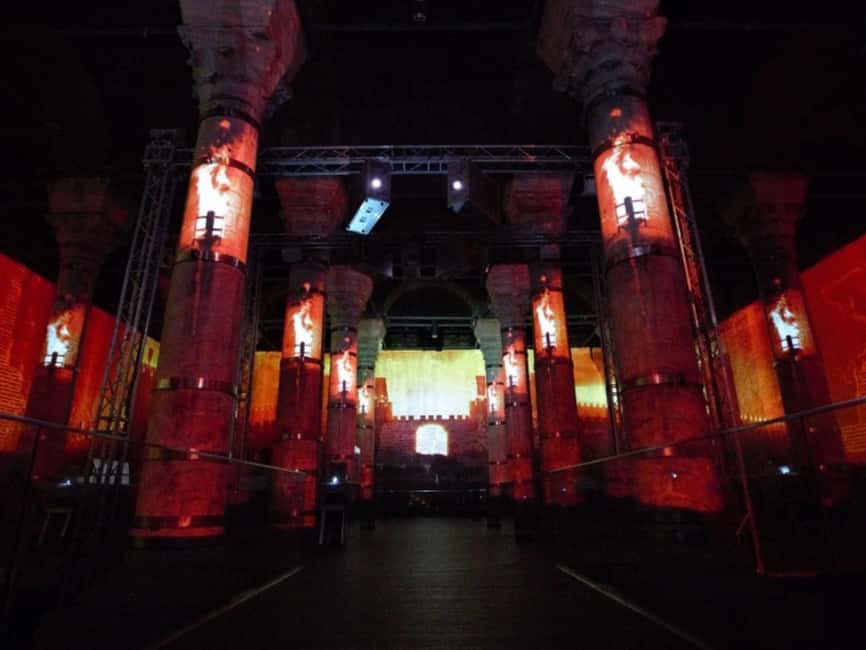
- Lighting presentation can be a highlight when it’s running.
Cistern of Theodosius: what you are walking into
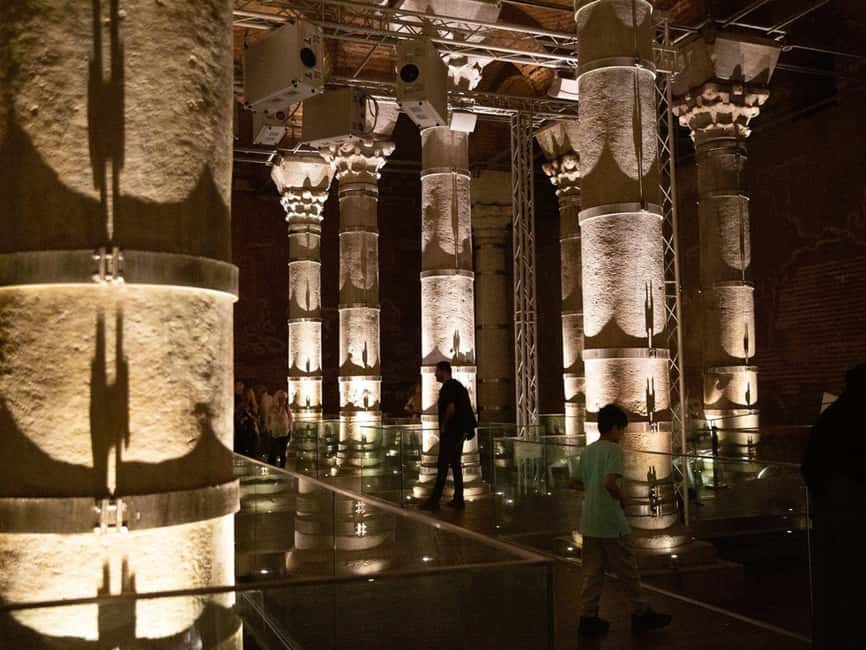
The Cistern of Theodosius, also called the Serefiye Cistern, is an underground water storage space dating back about 1600 years. It was built under Emperor Theodosius II (408 to 450 AD), then expanded later by the Ottomans. That matters because you are not just looking at an old room. You are looking at a structure adapted across eras.
Inside, you’ll find the kind of stone-and-water engineering that makes Istanbul make sense. The cistern was designed to store water for the city, especially in times of shortage or siege. In other words, this place wasn’t built for decoration. It was built so people could keep living, even when conditions got tough.
As you follow the audio guide, pay attention to how the cistern’s layout and materials are meant to handle pressure and water. The numbers alone are striking: the cistern covers an area of 24 by 40 meters with a ceiling about 11 meters high.
More Basilica Cistern tours and tickets:
- Istanbul: Basilica Cistern Fast-Track Entry and Audio Guide
★ 4.6 · 7,521 reviews - Istanbul: Basilica Cistern Skip-the-Line Entry Ticket
★ 4.6 · 2,270 reviews - Istanbul: Basilica Cistern & Hagia Sophia Combo Ticket
★ 4.6 · 1,990 reviews
Entering fast with your ticket and the QR check-in
This experience is built around an easy arrival. You skip the ticket line and go straight in more smoothly than you would with standard entry. At the entrance, you get a QR code so access is quick.
That might sound like a small perk, but in Istanbul, time and energy matter. You’ll likely have other sights on your day plan, and skipping the wait helps you keep momentum. You also get more flexibility because you can start your audio guide when you are ready, not when a queue finally collapses.
One practical tip: when you arrive, make sure your phone battery is healthy. The QR process depends on you being able to show the code fast.
The audio guide method: how to get more from a self-paced visit
This is not a guided tour. Instead, you get an audio guide and explore on your own schedule. That’s a real difference in the experience. With a live guide, you can ask questions and get instant answers. Here, you’ll be guided by narration and your own walking pace.
I like this format because you can match the pace to your interests. If you care about architecture, you can linger around the columns and vault shapes. If you care more about history, you can focus on the story beats the audio guide highlights.
In the cistern, the audio narration aims to connect what you see to what it meant: Byzantine construction, Ottoman additions, and later rediscovery and restoration. You also get a concluding part that links the cistern’s surrounding story to the broader history of the Turkish Republic.
What you will notice inside: columns, marble, and the shape of water storage
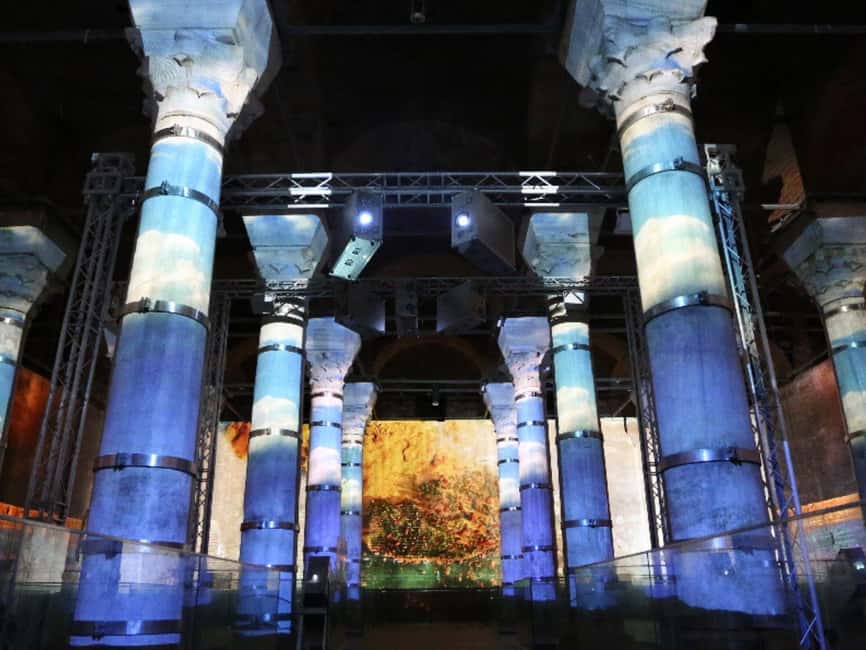
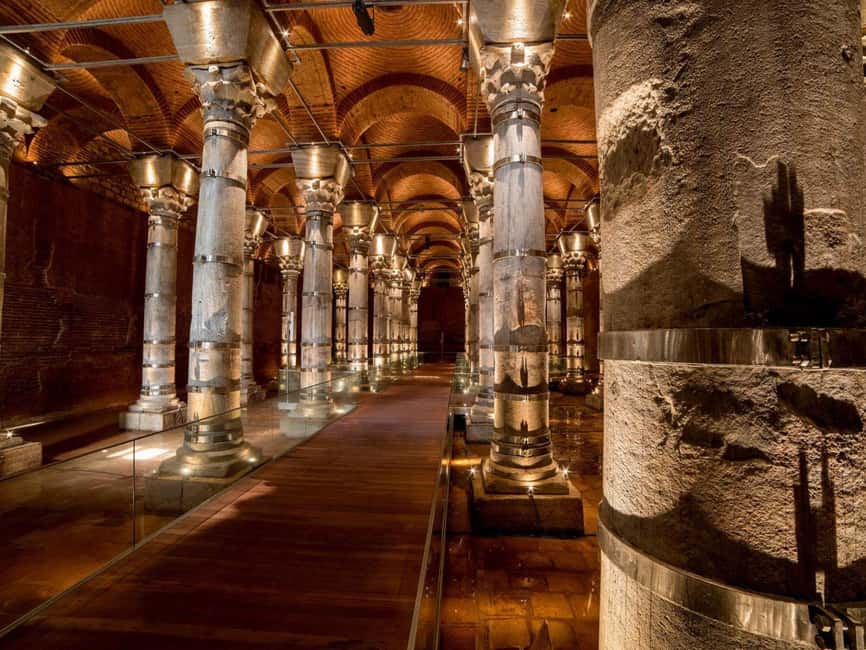
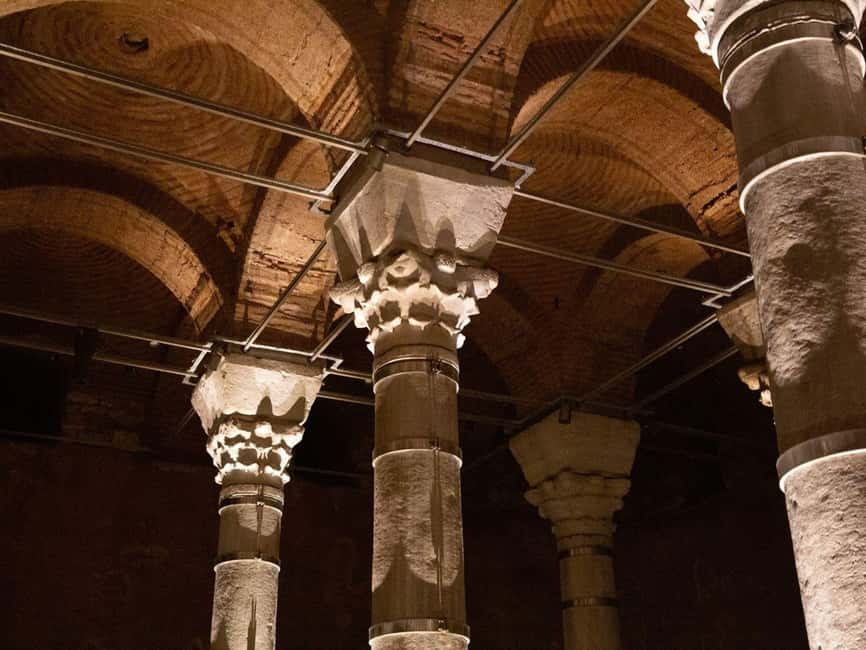
Once you enter, the space reads like a forest of pillars. The cistern is supported by 32 columns made of marble from Marmara Island. That choice of material is part of the point. It tells you how far the city’s supply network reached, and how important durable materials were for water infrastructure.
The walls are coated with watertight plaster to help prevent leaks. That detail is easy to miss if you only glance around, but it’s exactly the kind of practical engineering clue that makes the whole place more satisfying.
Then there are the vaults: the cistern has 45 sail vaults. These curved structural elements are not just decoration. Their form helps withstand pressure, which would have been crucial for holding water in place underground.
If you have ever visited a famous cistern with showy features, you might be tempted to treat this as a quick photo stop. Don’t. Give yourself time to notice the geometry. The quieter tempo here makes it easier to see how the building works.
A few more Istanbul tours worth comparing
- Istanbul: Daytime or Sunset Sightseeing Cruise & Audio Guide
★ 4.8 · 14,430 reviews - Istanbul: Topkapi Palace & Harem Museum Ticket & Audio Guide
★ 4.1 · 3,977 reviews - Istanbul: Bosphorus Sightseeing Cruise Tour with Audio Guide
★ 4.6 · 2,694 reviews - Istanbul: Hagia Sophia Skip-the-Line Ticket and Audio Guide
★ 4.3 · 2,246 reviews
Byzantine to Ottoman: why the cistern has layers
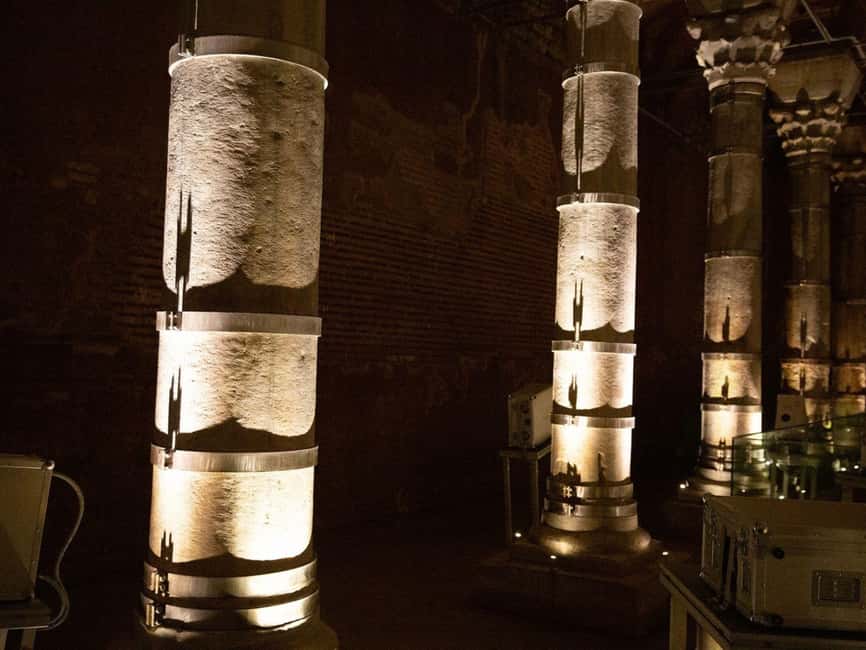
A lot of Istanbul’s best sites feel like time travel, but the Cistern of Theodosius is more literal than most. The cistern began in the Byzantine period, then the Ottomans expanded it. That means the design you see reflects multiple decisions over time.
The audio guide is where this becomes clear, because it connects the cistern’s purpose in Byzantine Istanbul to how later authorities kept it functional or adapted it. Water storage was still essential, and the city still faced risks that made emergency readiness important.
So when you are inside, look at the space like a tool that kept being refined. Instead of thinking only about age, think about function. The cistern’s thick walls and curved corners were engineered to withstand pressure. That’s your clue that the builders planned for stress, not just aesthetics.
The rediscovered history around it: Arif Pasa Estate and the 2010 uncovering
The cistern’s story does not stop at the underground chamber. The surrounding area changed repeatedly, and those changes matter.
Named after Emperor Theodosius II, the cistern’s neighborhood includes the story of the Arif Pasa Estate, which was built in the late 18th or early 19th century and once housed municipal offices. That means the cistern lived through different uses above it, before it was lost from easy view.
In 2010, demolition of nearby buildings uncovered the cistern. After that, restoration efforts led to an archaeological park around it. When you finish your walk through the cistern itself, it’s worth keeping this context in mind. You are not just seeing an underground room. You are seeing a piece of engineering that was hidden, then brought back into the light.
That lighting moment: when the atmosphere turns cinematic
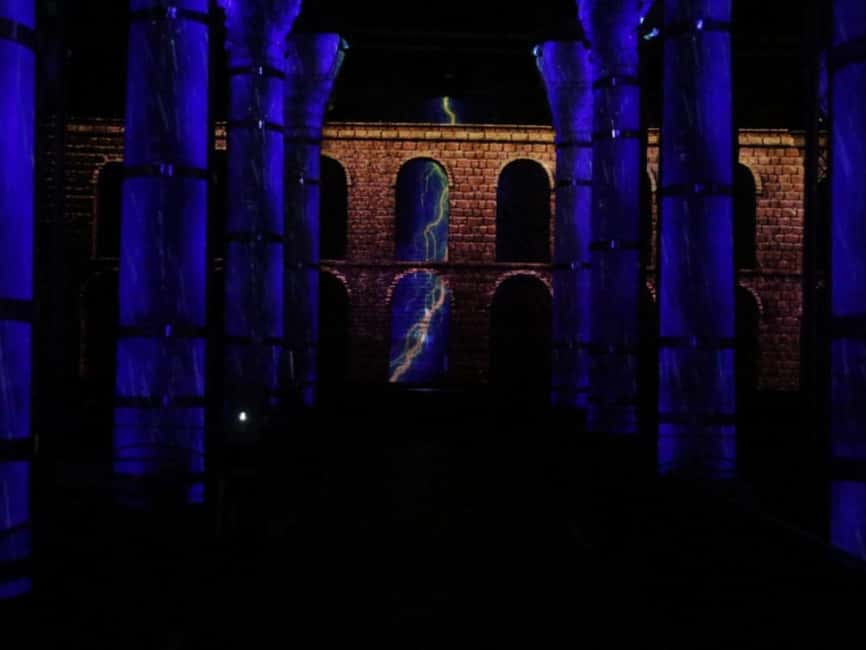
One of the most praised parts of this experience in real feedback is the lighting presentation inside the cistern. That can be fantastic when it’s running during your visit.
Since lighting schedules can vary, I suggest you treat it as a bonus rather than a promise. Even without perfect lighting, the stone scale and the calm air already give the cistern its mood. But when the light show is active, it can add drama to those columns and vaults in a way that photos don’t fully capture.
If you like atmosphere, plan your pace so you can still enjoy the room after you’ve had time to read the story from the audio guide.
How this pairs with a 1-day pass style plan
This ticket is sold as part of the Istanbul Tourist Pass and listed as a 1-day experience. It’s also described as giving flexible time to explore multiple sites in a day, up to four.
That’s useful for how Istanbul works. You can structure your day around fewer decision points. Go where you want, then use the audio guide here to slow down and get something meaningful without waiting for a group.
I’d plan this cistern visit when you want a breather between busier stops. The setting is quieter than the most famous cistern, and that can make the visit feel more personal. If you like architecture and history but get tired of crowds, you’ll probably appreciate the calmer pace.
Value check: is a $30 ticket a good deal?
At $30 per person, you are paying for two things: an entry ticket plus an audio guide, and the added convenience of skipping the ticket line with QR-based access.
Whether it’s worth it depends on your style:
- If you like self-guided learning and want narration without paying for a live guide, this price can feel fair.
- If you’re the type who takes pictures quickly and rarely listens to audio, you might feel like you paid for something you didn’t fully use.
- If you are sensitive to queues, the skip-the-line design can make the ticket feel more valuable than the number suggests.
My take: the cistern’s engineering details make the audio guide more than “nice to have.” If you’re going to do this, give the narration a real chance. The payoff is in understanding what you are looking at.
Also, one caution from past experiences: some people have had trouble getting tickets when they purchased online far in advance. That doesn’t mean it will happen to you. It does mean you should keep an extra check of your confirmation details so you can solve problems fast if they appear.
Who will like this most, and who might want a different option
This is a good match for you if:
- You like archaeology and architecture.
- You enjoy learning while you walk.
- You prefer self-paced sightseeing rather than following a group schedule.
- You want a cistern experience that feels a bit less like a stampede.
It may not be ideal if:
- You want a live guide who can answer questions in real time.
- You dislike audio guides and prefer reading everything on your own.
- You are trying to fit in so many sites that you cannot settle into a slower underground walk.
Because it’s self-guided with audio, you’ll get the most from it by treating it like a museum, not a hallway.
Tips to make your visit smoother
A few practical moves can help you enjoy the cistern more.
- Arrive with enough time to walk calmly. If you rush, you’ll miss the structural details.
- Use your audio guide as you move. Match the narration to what you can see: columns, walls, vault shapes, and the historical framing.
- Keep your QR access ready at the entrance. Quick check-in keeps the rest of your day on track.
- If the lighting presentation is running, plan your route so you see it without constantly stopping and restarting.
And one more thought: if you’ve visited another well-known cistern before, this one will feel different. You may notice that it is less about crowds and more about engineering clarity.
Should you book this entry ticket and audio guide?
I’d book it if you want a skip-the-line entry, you like learning at your own pace, and you care about how ancient water systems were built. The architecture is specific, and the audio guide is designed to connect those measurements and materials to a timeline from Byzantine through Ottoman times, plus the rediscovery story around 2010.
I would pause before booking only if you strongly prefer guided tours or you know you will not listen to audio narration. In that case, you might get less value from the ticket.
If you do book, go in with a simple plan: check your QR details ahead of time, take your time inside, and treat the columns and vaults as the main show. That’s where this experience pays off.
FAQ
What is included in the Cistern of Theodosius ticket?
Your ticket includes Cistern of Theodosius entry and an audio guide for the cistern.
Is this experience a guided tour?
No. You explore at your own pace with the included audio guide, not with a live guided tour.
Does this ticket help me avoid waiting in line?
Yes. The experience is listed as skipping the ticket line for easier entry.
How do I enter when I arrive?
You receive a QR code at the entrance for quick access.
How long is the experience valid?
It is listed as valid for 1 day.
Is a 3D show included?
No. A 3D show is not included.
Where is the Cistern of Theodosius located?
It’s in Istanbul, in Turkey’s Marmara Region.
Can I cancel my booking?
Yes. Free cancellation is available up to 24 hours in advance for a full refund.
Is there an option to explore with multiple sites in one day?
It’s described as giving flexible time to explore up to four sites as part of a 1-day plan, so you can combine it with other stops you plan for the day.
More Audio Tours in Istanbul
- Istanbul: Hagia Sophia Skip-the-Line Ticket with Audio Tour
★ 4.4 · 1,767 reviews - Istanbul: Bosphorus Cruise w/Audio Guide and Sunset Option
★ 3.9 · 1,758 reviews - Istanbul: Basilica Cistern Skip-the-Line Entry & Audio Guide
★ 4.6 · 1,477 reviews - Istanbul: Hagia Sophia Skip-the-Ticket Line & Audio Guide
★ 4.3 · 1,469 reviews
Recently reviewed around Istanbul
- 2 Days Cappadocia Tours from Istanbul★ 5.0 · 3 reviews
- Cappadocia Tour from Istanbul 2 Days 1 Night by Plane included Balloon Ride★ 5.0 · 43 reviews
- Cappadocia Tour Package from Istanbul by flight★ 5.0 · 9 reviews
- From Istanbul: 2-Day Cappadocia Highlights Tour by Plane★ 5.0 · 8 reviews
- 2-Day Troy and Gallipoli Tour from Istanbul★ 4.5 · 32 reviews
- 2-Day Gallipoli Tour from Istanbul – Small Group★ 4.0 · 67 reviews
- 2-Day Gallipoli and Troy Tour from Istanbul and return★ 5.0 · 17 reviews
- 2 Day Ephesus and Pamukkale Tour From Istanbul★ 4.5 · 28 reviews
Basilica Cistern Tours, compared.
Basilica Cistern Fast-Track Entry and Audio Guide
Read our review →

Blue Mosque, Hagia Sophia, & Basilica Cistern Tour
Read our review →
Blue Mosque, Basilica Cistern, & Hagia Sophia Tour
Read our review →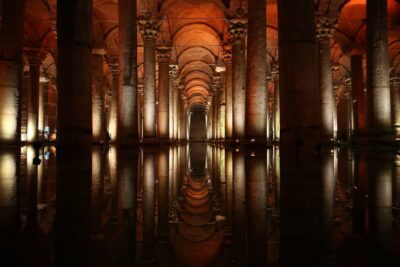
Basilica Cistern Skip-the-Line Entry & Audio Guide
Read our review →
Topkapi, Hagia Sophia and Basilica Cistern Tour
Read our review →
Basilica Cistern &Topkapi Palace &Hagia Sophia Combo Tickets
Read our review →Browse the lists this tour appears in