
Reviewed · TURKISH COOKING CLASSES
Istanbul: Vegan/Vegetarian Cooking Class with Locals at Home
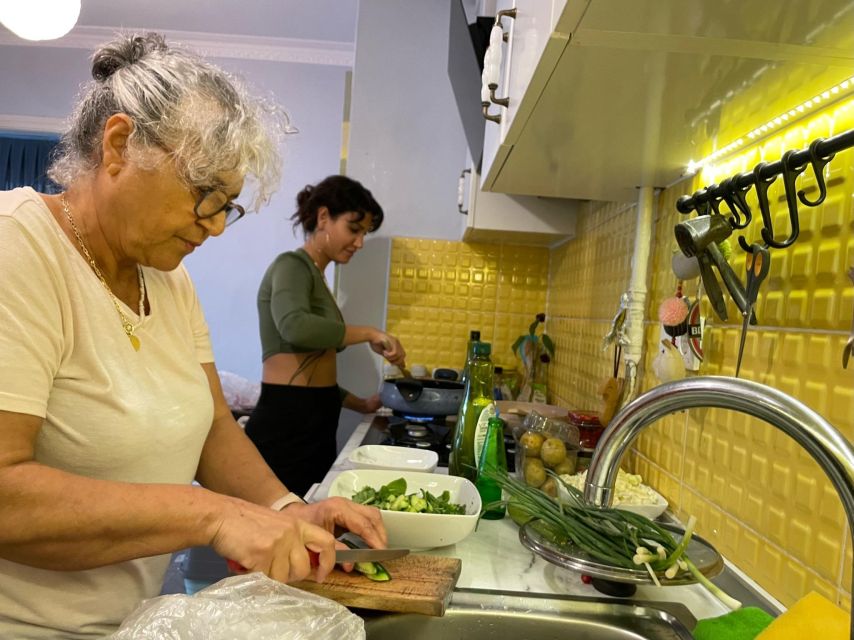
A vegan and vegetarian Turkish cooking class in someone’s home is a great way to see Istanbul from the inside, not the sidewalk. I love the small-group size, because you actually cook together and talk. I also love that you learn recognizable Turkish classics, then see how they become plant-based versions that still feel Turkish.
One thing to consider is that this is happening in a home kitchen. So it is not a fast, scripted show, and you’ll want to show up ready to slow down, eat, and chat in a relaxed way.
Key highlights you should care about
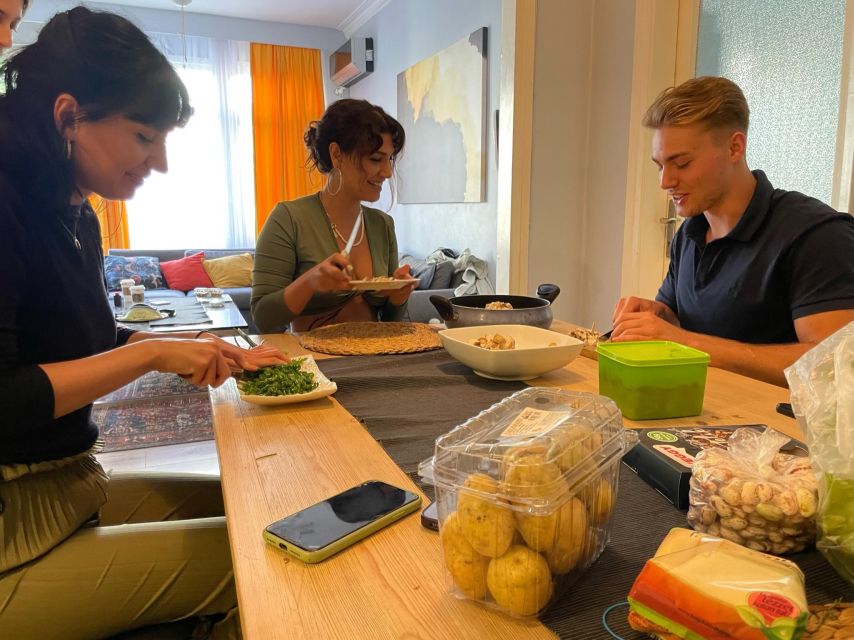
- A home near Taksim that feels local and cozy, not like a staged venue
- Small group of up to 6 for hands-on cooking and real conversation
- Vegan Turkish twists on familiar street and comfort foods, including Kokoreç and Mantı
- Learn from Rojda in English and Turkish, mixing cooking guidance with life in Istanbul
- You cook, then share the meal as part of the experience, not just snack tastings
Istanbul Vegan and Vegetarian Cooking at a Real Home Near Taksim
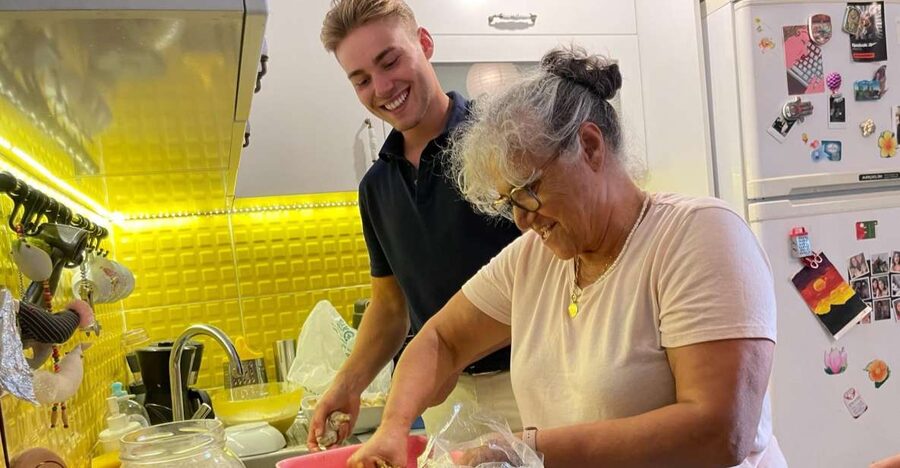
This experience works because it is simple. You come to a local home near Taksim, you cook side by side, and you share dinner in the same space. That format changes everything. You stop being a spectator and start being part of an evening.
The “locals at home” setting also makes the cultural exchange feel natural. When the table is the center of the room, conversation tends to flow around the food, not past it. Reviews highlight warm welcomes and meaningful conversation, and that matches what the format suggests.
More Turkish cooking classes in Istanbul:
- Private Turkish Cuisine Cooking Class with Local Moms
★ 5.0 · 114 reviews - Traditional Home Cooking with a Local in İstanbul City Center
★ 5.0 · 82 reviews - Istanbul Home Cooking Course – Cook and Eat
★ 4.9 · 52 reviews
Your First Minutes: Tea, Conversation, and Getting Oriented
You’ll start with a warm welcome and a cup of tea or coffee. It’s not just a polite beginning, it sets the tone. You get a quick human connection first, then you move into cooking with less awkwardness and more teamwork.
Because the class is led by an instructor who works in English and Turkish, you should feel comfortable following along even if your Turkish is limited. The best part is the blend of cooking instruction and stories. Rojda is specifically mentioned in reviews for sharing personal background and insights about Istanbul life.
The one practical consideration here is pacing. This is a 2.5 hour experience, so you’ll want to arrive on time and be ready to participate right away. If you show up late, it cuts into both cooking and the shared meal time.
The Core Experience: Cooking Side by Side, Then Eating What You Made
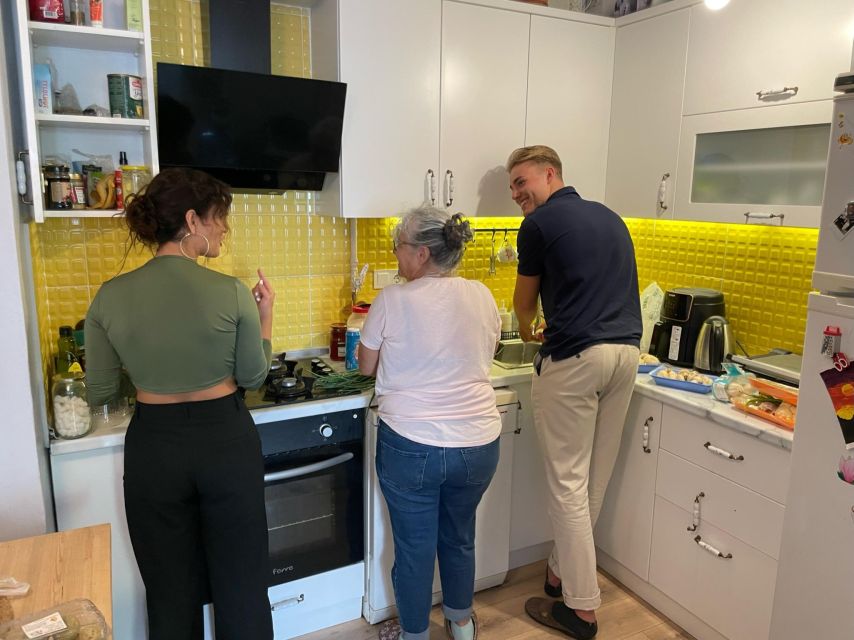
This class is built around shared cooking. You are not just watching someone assemble dishes. You’ll be working through multiple recipes together, learning the steps and the logic behind them.
After the cooking, you eat what you made. That matters for value, because you get full satisfaction from the meal, not just the novelty of learning. Reviews describe dishes as very flavorful and a highlight of Istanbul, which lines up with the idea of a true shared dinner.
With a maximum of 6 participants, it stays hands-on. More people would slow things down. Fewer people keeps the energy personal, and you get more chances to ask questions while you cook.
What You’ll Learn to Make: Vegan Kokoreç, Dolma, Mantı, and More
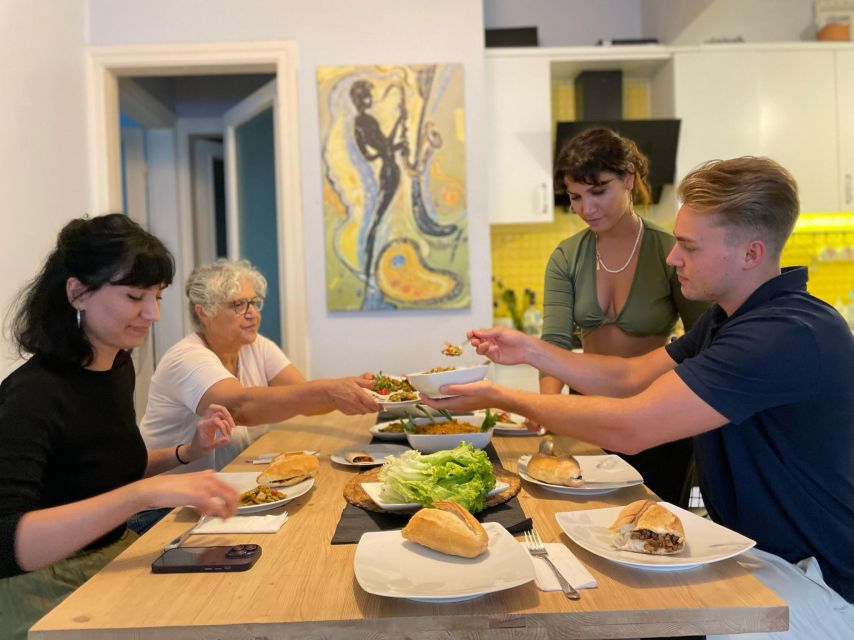
You’ll learn a set of classic Turkish dishes, reworked for vegan and vegetarian eating. The headline examples are vegan Kokoreç, Dolma, and Mantı. But the class also includes a variety of other vegan or vegetarian dishes, so you get variety in flavors and textures.
Here’s why these choices are smart for a visitor. Mantı is a dumpling format many travelers remember, so learning it gives you something you can talk about later. Dolma is familiar as a concept, stuffed and spiced, and it helps you understand how Turkish home cooking balances herbs and sour or sweet notes. Vegan Kokoreç gives you the fun part: a street-food style twist that shows how adaptation works.
Also note the emphasis on doing it from scratch. Reviews specifically mention learning the art of making vegan Mantı. When a class teaches from the beginning, you are not just copying a final plating technique. You’re learning the workflow.
More Istanbul food tours to compare:
- Istanbul: European and Asian Side Guided Foodie Walking Tour
★ 4.9 · 1,038 reviews - Turkish Food Night and Rooftop Experience Istanbul
★ 5.0 · 666 reviews - Istanbul: Guided Food Tour with Ferry Ride and Tastings
★ 4.9 · 600 reviews - Istanbul: Turkish Food Night and Rooftop Experience
★ 5.0 · 569 reviews
Vegan Mantı From Scratch: Why This Dumpling Lesson Stays With You
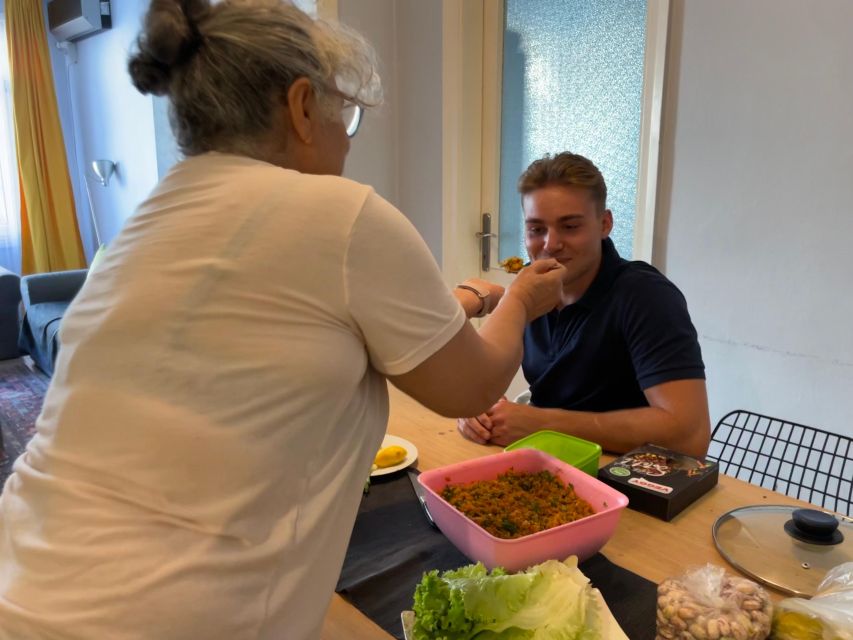
Mantı is the kind of dish where small decisions matter. Getting the dough, the filling balance, and the assembly right is a skill. What makes this class especially valuable is that it teaches homemade Mantı in a way that stays accessible.
If you’ve never made dumplings before, the first win is confidence. You’ll see how to shape, portion, and work with the filling in a home kitchen setting. Reviews call out learning vegan Mantı specifically, and that is useful because it tells you the class is not only “plant-based ideas.” It’s plant-based execution.
The other reason I like Mantı for travelers is the storytelling. Turkish dumplings are a recognizable part of food culture. When you make a plant-based version, you learn the structure of the dish, not just a one-off substitute. That makes it easier to recreate later at home.
Dolma and the Comfort Food Angle of Turkish Home Cooking
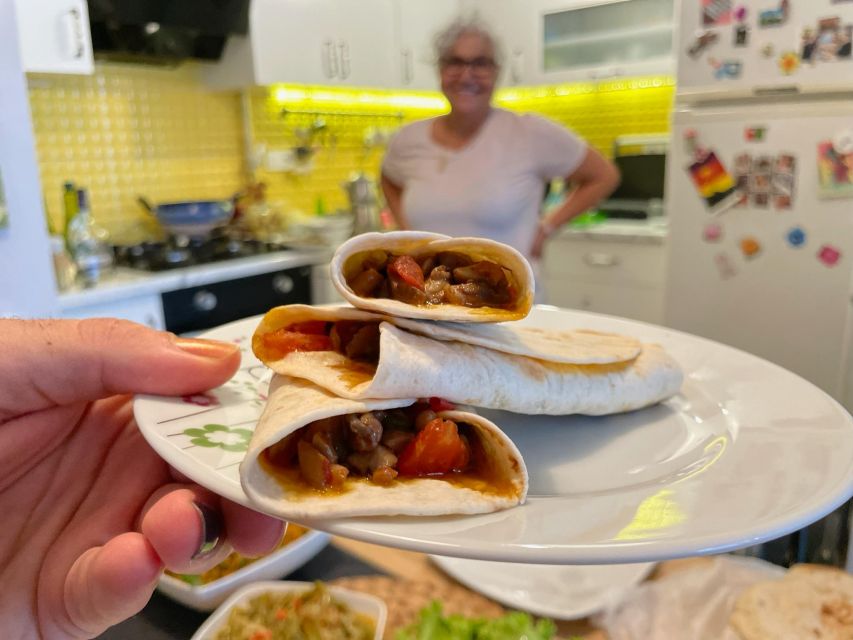
Dolma is one of those dishes where you learn patience and seasoning. It’s not complicated in the sense of requiring fancy tools, but it does reward attention. The class focuses on plant-based adaptations, so you’ll learn how to build a filling that still feels hearty.
What you take away is the Turkish home logic: herbs, spice, and texture work together, not separately. Dolma also helps you learn how stuffing techniques can be adapted to different vegetables and styles.
Even if you are already vegetarian, Dolma from scratch teaches you more than a recipe. You learn how the filling should taste before it even reaches the final cook. That becomes a baseline for you if you want to make other stuffed dishes after.
Vegan Kokoreç: A Street-Food Twist That Shows Adaptation
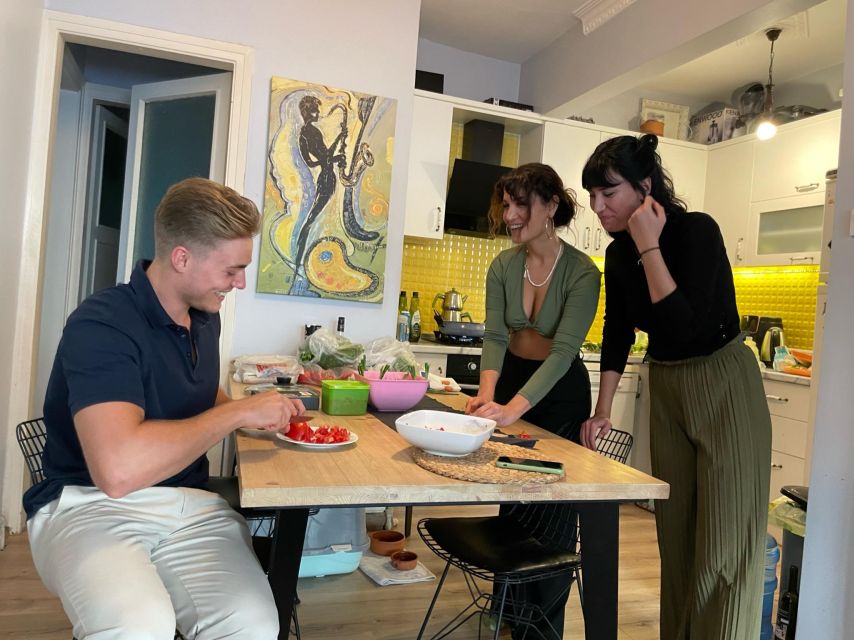
Kokoreç is typically known as a street food, and the vegan version is where adaptation becomes the main lesson. This is not about recreating a meat-based dish exactly. It’s about understanding the flavor profile and the role of texture and seasoning.
In a home class, that twist feels extra interesting. You’re not just tasting a novelty item. You’re seeing how someone turns the idea of Kokoreç into a plant-based outcome using Turkish flavor language.
If you like food experiments, this part is where the evening feels most fun. Reviews describe the dishes as bursting with flavor, and a Kokoreç-style dish is exactly the kind of food that can deliver that punch.
The Cultural Exchange Part: Stories About Istanbul at the Table
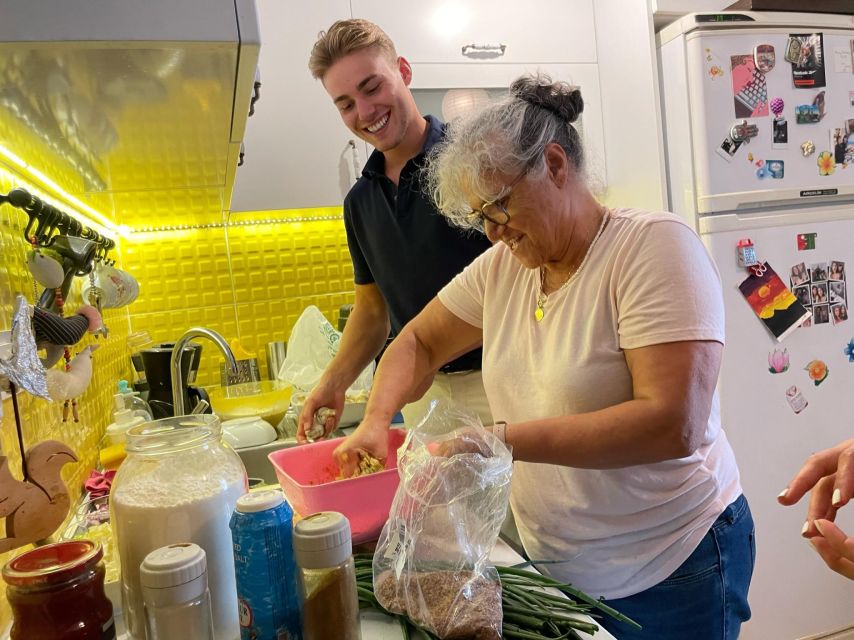
This experience is not only cooking. It’s also people. The reviews mention that Rojda shares personal stories and insights about life in Istanbul, and that the conversations feel meaningful and warm.
In practice, that means you’ll get a better sense of how locals think about food. You hear the human side behind recipes. You also hear what matters day to day, not just what to see as a tourist.
I find this kind of exchange more useful than another list of landmarks. It helps you understand the city’s food culture as something living, not fixed in time. You leave with a few new recipe techniques and also a better feeling for how Istanbul hosts people.
Price and Value: Is $106 Worth a 2.5 Hour Home Dinner?
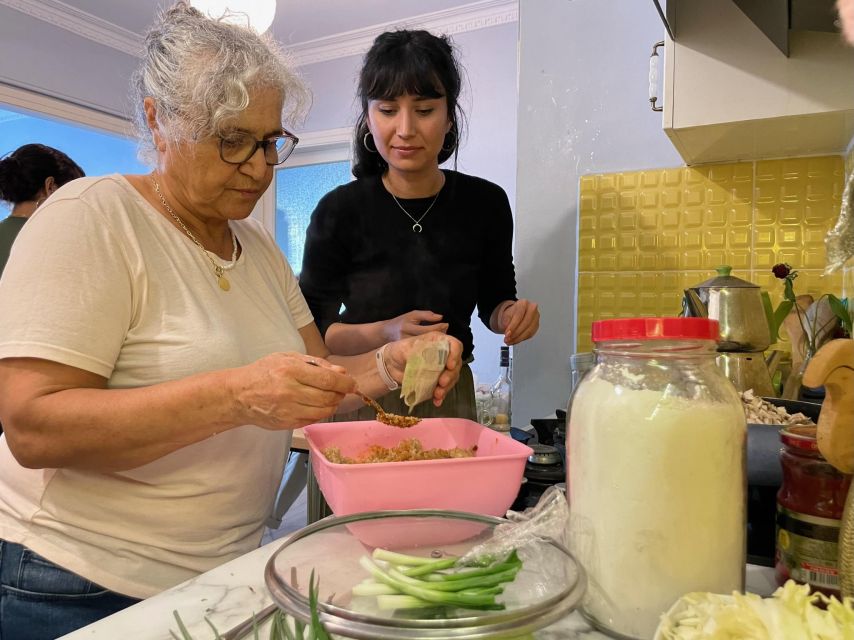
At $106 per person for a 2.5 hour, small-group cooking class, the cost is not the cheapest option in Istanbul. But it also isn’t trying to be a bargain. It is paying for three things at once: instruction, ingredients, and a real meal in a private home.
The small group limit to 6 participants pushes value in your favor. With fewer people, the instructor can guide more directly, and you spend more time actively cooking. You also get more time to talk, which is part of what makes this class memorable for many people.
You’re also learning multiple dishes, not just one. The class highlights vegan Kokoreç, Dolma, and Mantı, plus additional vegan or vegetarian dishes. When a class includes more than one recipe and ends with a shared meal, you should feel like you gained something tangible.
If you want a hands-on evening where you leave with skills and a full stomach, this price can make sense. If you only want quick snacks or you prefer learning in large groups with minimal interaction, you might not get as much out of it.
What the Evening Really Looks Like: A Practical Timeline
You can picture the flow pretty clearly. First comes the warm welcome with tea or coffee and conversation. This is your decompression moment and also your orientation.
Then you move into cooking. You work side by side preparing the highlighted dishes, with guidance from the English and Turkish instructor. The shared focus keeps everyone engaged, since you’re eating together at the end.
Finally, the meal becomes the cultural centerpiece. You eat, you talk, and you swap perspectives. Reviews use words like relaxed and fun, which fits the home setting and the pace of a 2.5 hour session.
A quick consideration: since you are cooking and eating, you’ll want to plan your schedule so you’re not rushing off to another hard commitment right after. Treat it like dinner plus a skill lesson.
Who Should Book This Cooking Class in Istanbul
This is a great fit if you want a vegan or vegetarian experience that still stays rooted in Turkish food culture. You don’t have to be strictly vegan to enjoy it. The class is explicitly vegan and vegetarian, so there’s a path for many dietary preferences.
It also suits travelers who value conversation. If you enjoy asking questions about daily life and hearing personal stories, this home format is a strong match. Reviews repeatedly highlight warmth, meaningful conversation, and Rojda’s personality.
I’d also recommend it if you want a cooking skill that you can actually repeat later. Mantı and Dolma are not one-bite lessons. They’re buildable recipes, and learning them from scratch gives you more confidence to cook again.
Practical Tips to Get the Most Out of the Class
Since this is in a home near Taksim, treat it like someone’s dinner invitation, not like a museum tour. Arrive a few minutes early if you can. Come ready to help in the kitchen.
You’ll meet at the location provided by the operator, and you can call when you are here or ring the bell number 11. If you’re traveling with a phone, make sure your number works and that you can receive messages. Small practical things make a big difference in home experiences.
Also think about your comfort. This class includes cooking and shared eating, so plan to wear something you can move in and that you do not mind getting a little messy. You will be learning techniques, and technique usually involves contact with dough, fillings, and spices.
Finally, lean into the conversation. If you ask about why certain plant-based versions work in Turkish cooking, you’ll get more out of the evening.
Should You Book This Vegan and Vegetarian Istanbul Cooking Class?
Yes, if you want a small-group evening where you cook real Turkish classics and learn how they become plant-based versions. The combination of a cozy home near Taksim, a maximum group size of 6, and instruction from Rojda in English and Turkish is a strong package.
Book it especially if you care about skills you can repeat later, like vegan Mantı, and if you enjoy cultural conversation as much as you enjoy the food. The only reason to hesitate is if you prefer a large, formal tour structure or you only want a quick bite without cooking.
If you want dinner plus a lesson, this one is worth putting on your Istanbul list.
FAQ
How long is the Istanbul vegan and vegetarian cooking class?
The class lasts 2.5 hours.
Is the cooking class vegan and vegetarian?
Yes. It is a vegan and vegetarian cooking experience.
What dishes will I learn to make?
You’ll learn dishes like vegan Kokoreç, Dolma, and homemade Mantı, along with additional vegan or vegetarian dishes.
Where is the class located?
The class takes place at the host home near Taksim in Istanbul (Marmara Region).
How many people are in the group?
The group is limited to 6 participants.
Who teaches the class, and what languages are used?
The instructor teaches in English and Turkish.
Where do I meet the host?
You can call when you are there or ring the bell number 11.
How much does it cost?
The price is $106 per person.
What is the cancellation policy?
You can cancel up to 24 hours in advance for a full refund.
Can I reserve now and pay later?
Yes. You can reserve now and pay later.
More Workshops in Istanbul
- Istanbul:Original Turkish Mosaic Lamp Workshop w/ Snacks
★ 4.9 · 3,077 reviews - Istanbul: Perfume Making Workshop with Bosphorus View
★ 5.0 · 2,985 reviews - Istanbul: Turkish Coffee Making and Fortune Telling Workshop
★ 4.9 · 1,308 reviews - Istanbul: Turkish Mosaic Lamp Workshop with Bosphorus View
★ 4.9 · 1,050 reviews
Recently reviewed around Istanbul
- 2 Days Cappadocia Tours from Istanbul★ 5.0 · 3 reviews
- Cappadocia Tour Package from Istanbul by flight★ 5.0 · 9 reviews
- From Istanbul: 2-Day Cappadocia Highlights Tour by Plane★ 5.0 · 8 reviews
- Cappadocia Tour from Istanbul 2 Days 1 Night by Plane included Balloon Ride★ 5.0 · 43 reviews
- 2-Day Gallipoli Tour from Istanbul – Small Group★ 4.0 · 67 reviews
- 2-Day Troy and Gallipoli Tour from Istanbul★ 4.5 · 32 reviews
- 2-Day Gallipoli and Troy Tour from Istanbul and return★ 5.0 · 17 reviews
- 2 Day Ephesus and Pamukkale Tour From Istanbul★ 4.5 · 28 reviews
Turkish Cooking Classes, compared.
Private Turkish Cuisine Cooking Class with Local Moms
Read our review →
Traditional Home Cooking with a Local in İstanbul City Center
Read our review →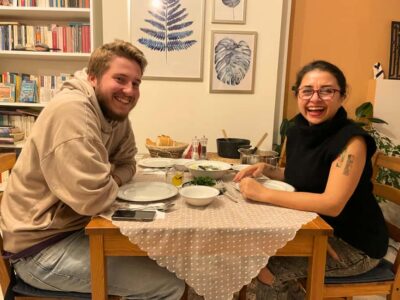
Browse the lists this tour appears in