
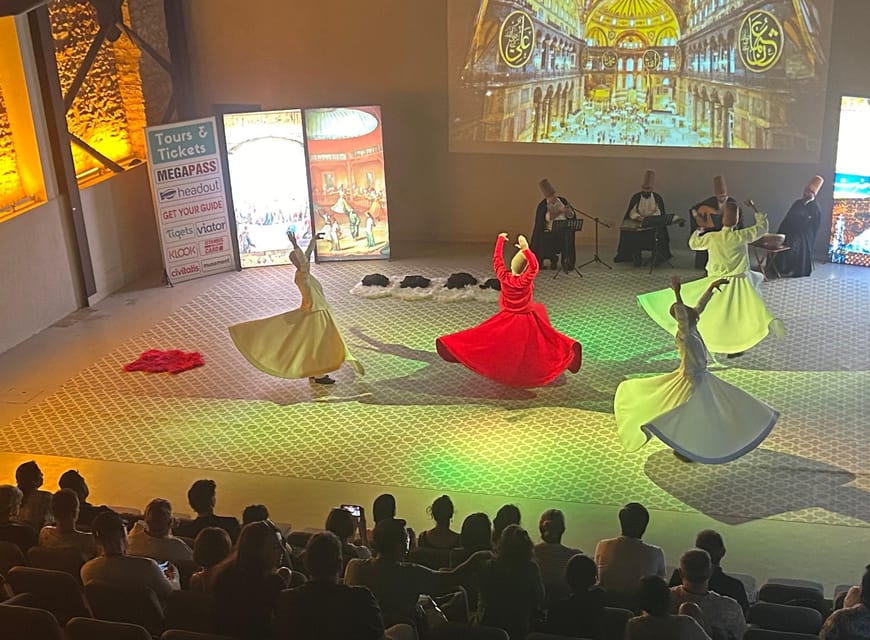
Reviewed · HAGIA SOPHIA TOURS
Istanbul: Whirling Dervish Ceremony next to Hagia Sophia
Istanbul has lots of spectacle. This one is different because it is a religious ritual staged with live traditional music and clear context, right in the heart of the old city. The setting by the Basilica Cistern area also helps, because it feels like you are stepping into a place with purpose, not just buying seats for a show.
What I like most is the 55-minute, focused format that doesn’t drag, and the way the host explains what you are about to see, then explains what it means after. One real consideration: the ceremony asks for silence and low phone use, so if you came hoping for something casual and chat-friendly, this may feel strict.
Key things to know before you go
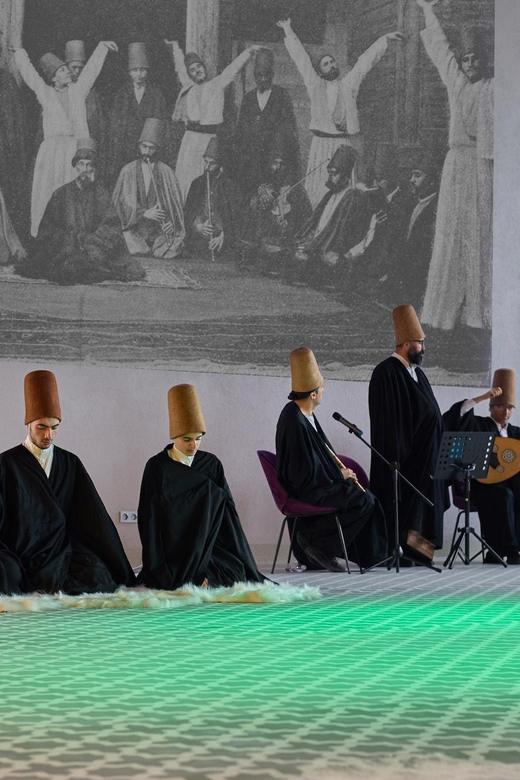
- UNESCO Intangible Cultural Heritage Sema ceremony, shared by local Sufi practitioners
- Live Turkish music with traditional instruments, with pieces dated from the 1400s to early 1800s
- Professional host + smart audio guide in seven languages (English, German, French, Italian, Russian, Spanish, Arabic)
- Gate opens 30 minutes early and the meeting spot is near the Basilica Cistern, at the white wooden house entrance
- Local drink included with your ticket, tea or sherbet, plus water
A UNESCO Sema ceremony next to Hagia Sophia, without the loud show vibe
The big draw here is the type of experience it is. The whirling dervish ceremony, called Sema, is not presented as a pop concert. It is a structured spiritual practice, performed by members of the Sufi tradition, with music that follows older compositions and rhythms.
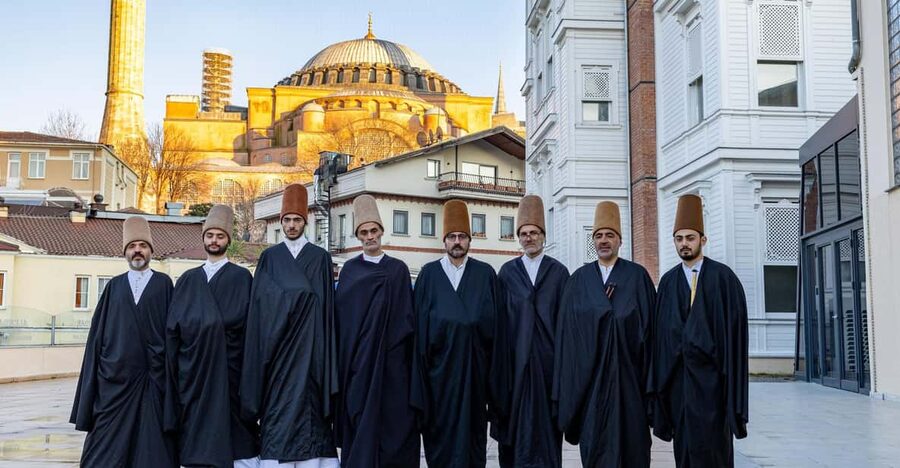
What makes this location special is timing and atmosphere. You are in the same broad Sultanahmet zone where people come to see monuments all day. Then, instead of another viewpoint or another museum ticket, you get a different kind of Istanbul night. The ceremony is close to the Hagia Sophia area, and the meeting point is by the Basilica Cistern, so the logistics are easy if you plan an earlier stroll through the historic core.
More Hagia Sophia tours and tickets:
- Istanbul: Hagia Sophia Skip-the-Line Ticket & Museum Option
★ 3.7 · 4,958 reviews - Istanbul: Blue Mosque & Hagia Sophia Guided Tour w/ Tickets
★ 4.8 · 3,600 reviews - Istanbul: Hagia Sophia Skip-the-Line Ticket and Audio Guide
★ 4.3 · 2,246 reviews
Price and what you actually get for $17
At about $17 per person, this lands in the “good value” category for Istanbul. Not because it is cheap, but because it includes more than just entrance.
Here is what your ticket covers:
- Entrance to the Whirling Dervish Ceremony with live music and an authentic ritual
- A local drink (tea or sherbet) plus water
- A smart audio guide in multiple languages
If you compare that to other “evening performances” in tourist-heavy areas, the value improves fast once you factor in the guided context and the included drink. Add the fact that the venue is an arts and cultural community setting (not just a theater built for tourists), and the ticket starts to feel like support for something real rather than a one-off experience.
Meeting at the Basilica Cistern area and finding the white wooden house gate
Your meeting point is clearly set: meet your host next to the entrance of the Basilica Cistern. The reception desk is at the gate of the giant white wooden house, and the gate opens 30 minutes before the ceremony starts.
Two practical tips that make this smoother:
- Arrive early and don’t rush. Those first minutes matter because the host intro sets the tone. People who got there right on time sometimes felt less prepared.
- Use the restroom before you settle in. The event emphasizes silence, and there is no mention of breaks during the ceremony. So handle it early, then relax.
One more small heads-up: the event is in a wooden-house style venue, and directions can be confusing if you rely only on a map link. If you do get stuck, asking staff right away saves time and stress.
What happens in the salon before the dervishes start turning
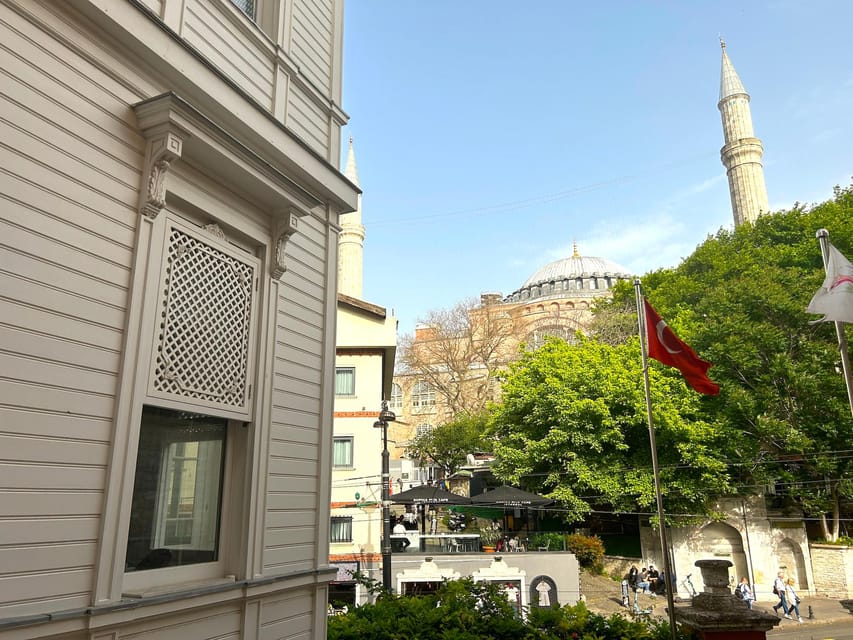
Before the whirling begins, you start in a traditional salon setting inside the wooden house. This isn’t a random waiting room. It is part of the pacing, and it helps you switch modes from sightseeing to ritual.
Expect a professional explanation before the ceremony. That matters more than you might think, because the Sema is built from sequence and symbolism. Once you know what each section is doing, the movements stop looking like “pretty spinning” and start looking like a lived set of meanings.
You will also have a digital info guide via the smart audio system in seven languages. Even if you understand English best, having the audio available in your second choice language can be a comfort when you want to check a term or catch a detail.
More whirling dervish ceremonies in Istanbul:
- Istanbul: Hodjapasha Whirling Dervishes Show & Exhibition
★ 4.4 · 4,790 reviews - Istanbul: Whirling Dervishes Ceremony and Mevlevi Sema
★ 4.3 · 1,694 reviews - Istanbul Hodjapasha Whirling Dervishes Show & Exhibition
★ 4.0 · 503 reviews - Istanbul Traditional Turkish Dinner and Dervish Experience
★ 5.0 · 490 reviews
The music, the meaning, and the moment the turning accelerates
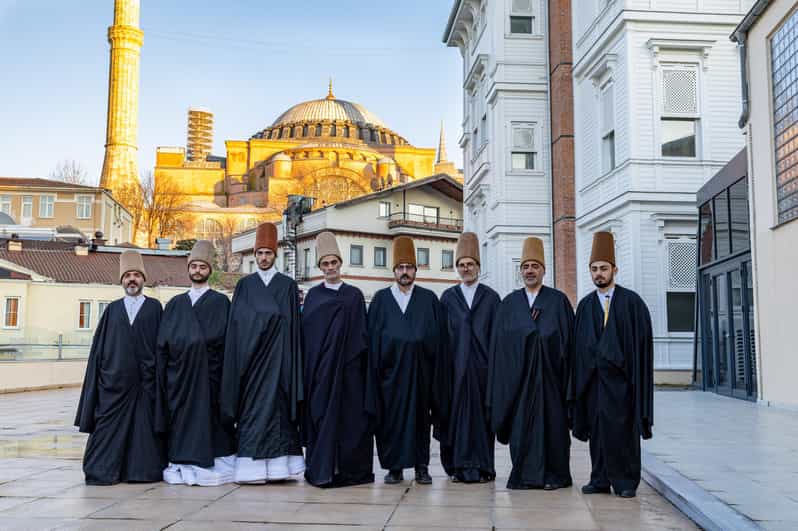
When the ceremony begins, it starts with instrumental music. The description highlights traditional instruments like strings, drums, and flutes, and that helps your ears adjust before the dervishes appear.
This is where your expectations should be tuned:
- The experience is slow by design.
- The energy builds gradually.
- Silence is part of the structure, not an empty gap.
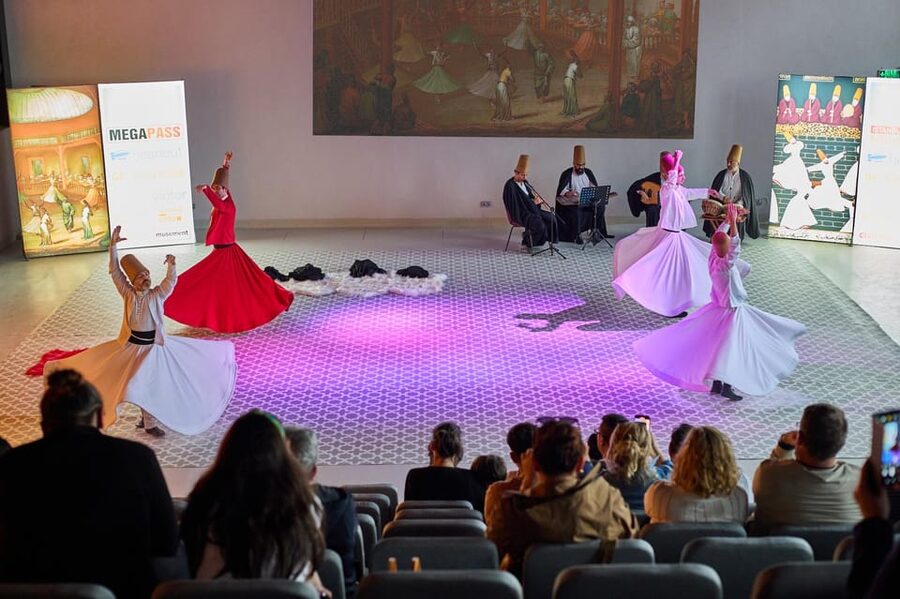
As the prayers begin, the dervishes enter in serenity. Then, in line with the rhythm, their motion accelerates. For many first-timers, the acceleration is the shock moment, because it is both controlled and hypnotic. It is also why sitting down and paying attention beats scrolling on your phone.
If you want a little preparation that makes the whole evening click, a couple ideas come up again and again in audience comments: learning a bit about Rumi, and understanding the spiritual context around figures like Shams Tabrizi can deepen your appreciation before you ever hear the first flute note.
Staying respectful: silence, noise rules, and phone discipline
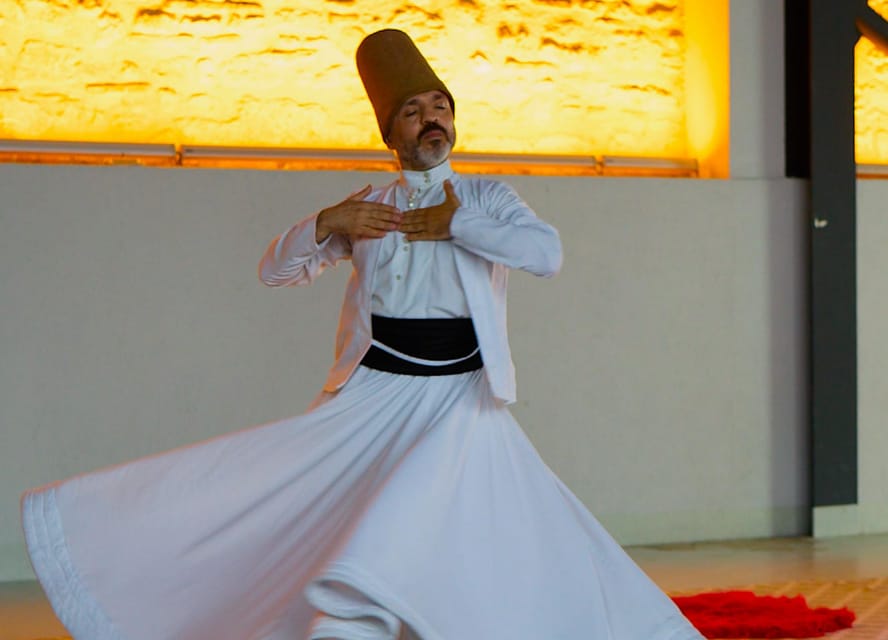
This ceremony is not a “light up your camera” moment. You are told not to make noise, and the event runs on the idea that silence is important.
In practice, that means:
- Keep your voice off.
- Be careful with your phone, since it can pull you out of the rhythm fast.
- Treat the space like a place of worship, even if you are there as a visitor.
One subtle detail: photography and video are allowed at the end for at least some parts of the evening. But the core ceremony is about presence, not content capture. If you show up ready to watch, you’ll get more out of it.
Sound quality and the reality of hearing the host
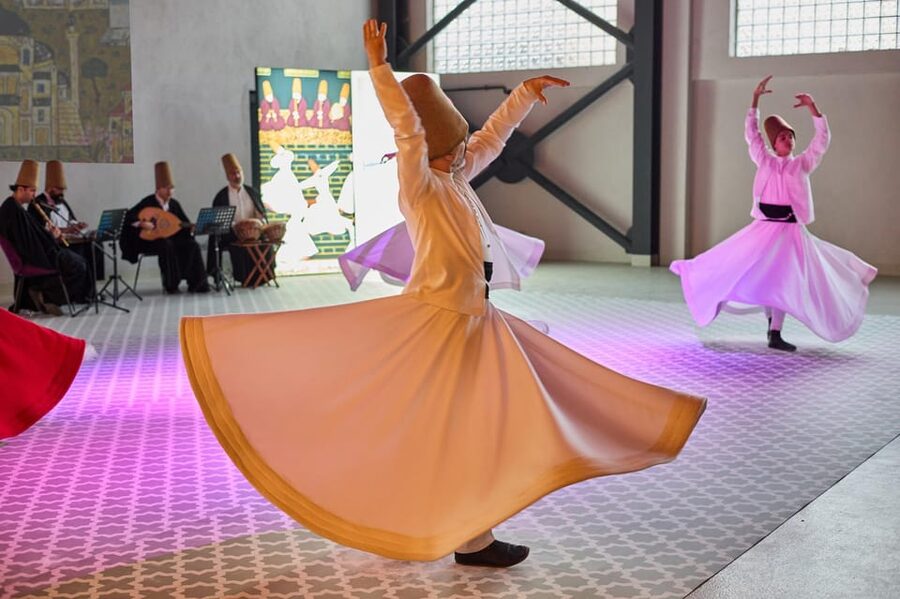
Live performance is never perfectly uniform. One guest noted that at the start, the sound for the speaker was not easy to hear. Another comment suggests the guide spoke quickly at times, which can make explanations harder if you are trying to follow every word.
So here is the practical takeaway for you:
- Pick your seat to prioritize clear sightlines to the host and stage area.
- Plan to lean on the audio guide for key points, not only on what the host says in real time.
Also, if you like to fully understand the words of songs and chants, know that you may not get a word-for-word translation during the performance. The audio guide and pre and post explanations are there to frame the ritual. After that, you are mainly experiencing the music and motion as spiritual expression.
How the host experience works: explanation before, then Q&A after
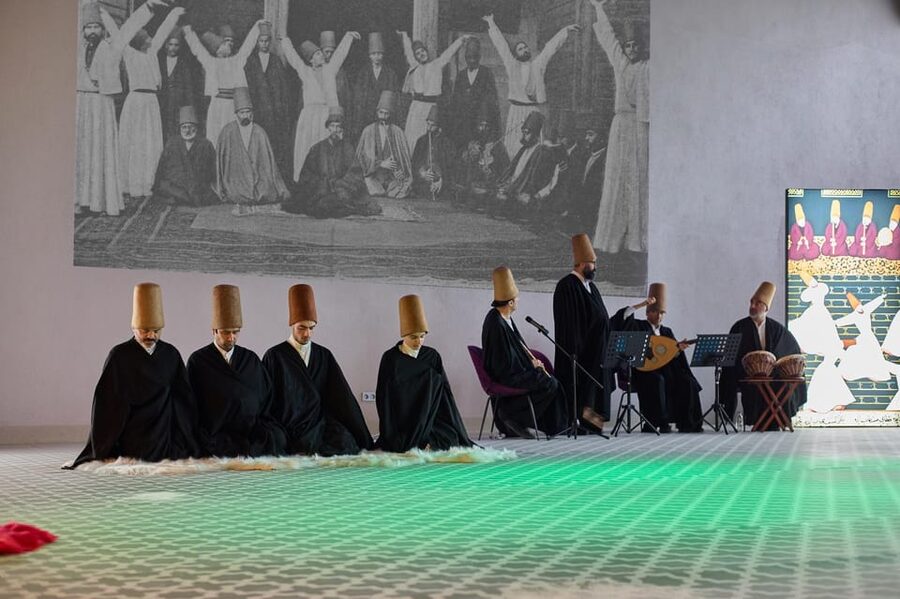
The host role is a big part of the value. You get an introduction before the ceremony, then you get another chance to understand what you just saw, with time for questions afterward.
In one comment, a presenter at the gate named Kasl is singled out for being helpful, especially when someone in the group needed accommodations. Even when you don’t have special needs, a good host can turn the ceremony from “I watched spinning” into “I understand the structure.”
This is also why the event duration feels right. With 55 minutes, you do not spend an hour and a half sitting through filler. You get enough context to make the experience meaningful, then you get the ceremony itself.
What the venue feels like once you sit down
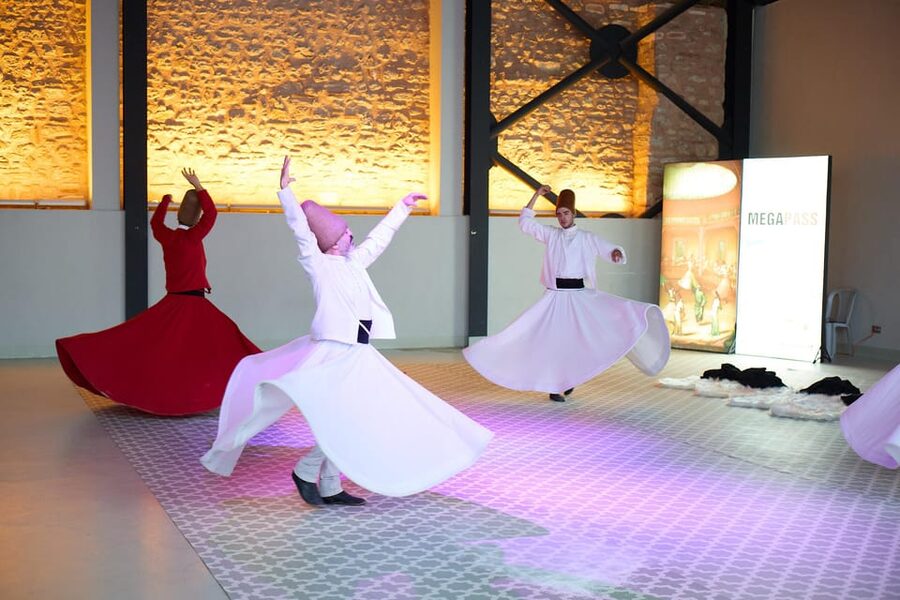
The setting is a historic-style wooden house. That matters, because it changes the vibe from stadium show to small gathering.
Guests who commented on the space liked that:
- You can see well from most seats.
- Seats were comfortable.
- The hall layout supports the ceremony view.
A practical note: some audience members mentioned reflections from illuminated panels affecting photos. So if photography is your priority, be ready for less-than-Instagram perfect lighting angles. If your priority is the ritual itself, that lighting is less important.
Included drink, a quiet exit, and why the ticket supports education
You get a local traditional drink of the day, with a choice of tea or sherbet, plus water.
That small add-on does two things:
- It gives you a warm landing after the music and turning.
- It keeps the experience grounded in daily local culture rather than feeling like an imported performance.
One of the most encouraging parts of the evening is the purpose around the ticket. Multiple comments describe the organization behind the ceremony as supporting arts education and scholarships, framed as a community or NGO effort. When a ticket helps fund learning opportunities, it makes your evening feel like more than entertainment.
Accessibility and who should book this
The activity is listed as wheelchair accessible. That said, real-world accessibility sometimes needs setup. One guest appreciated that the event was promoted as wheelchair friendly, but also noted staff had to work to make it happen for a person in their group. So I recommend you plan for a helpful check-in with staff when you arrive.
Who this is best for:
- Adults and families who want a calm, culturally grounded experience
- First-timers who like structure and context
- People who enjoy spiritual or artistic traditions more than loud crowd entertainment
Who might find it less satisfying:
- Anyone who hates rules about silence and low noise
- People who want a casual “walk in, watch 10 minutes, leave” event
- Guests expecting a typical tourist show with constant narration and interaction
Should you book this Whirling Dervish ceremony by Hagia Sophia?
If you want a meaningful Istanbul moment that is not just sightseeing, I think this is a smart booking. The mix of live music, a professional pre and post explanation, and the included audio guide makes it easier to appreciate the Sema instead of just observing it.
Book it if:
- You are curious about Sufi tradition and symbolism
- You enjoy slow, focused performances
- You value cultural context as much as the visuals
Skip it if:
- You strongly prefer interactive, noisy shows
- You want constant conversation and explanations during the ceremony itself
- You are not comfortable with a silence-forward setting
FAQ
How long is the whirling dervish ceremony?
The ceremony experience lasts 55 minutes.
Where do we meet for the ceremony?
Meet your host next to the entrance of the Basilica Cistern. The reception desk is at the gate of the giant white wooden house, which opens 30 minutes before the ceremony starts.
What is included in the ticket price?
The ticket includes entrance to the Whirling Dervish Ceremony with live music and an authentic ritual, a local traditional drink (tea or sherbet) plus water, and a smart audio guide in multiple languages.
Is food included?
No. Food and other drinks are not included.
Is the event wheelchair accessible?
Yes, the activity is listed as wheelchair accessible.
Do kids need to be a certain age?
This experience is not suitable for children under 2 years.
Recently reviewed around Istanbul
- 2 Days Cappadocia Tours from Istanbul★ 5.0 · 3 reviews
- Cappadocia Tour from Istanbul 2 Days 1 Night by Plane included Balloon Ride★ 5.0 · 43 reviews
- Cappadocia Tour Package from Istanbul by flight★ 5.0 · 9 reviews
- From Istanbul: 2-Day Cappadocia Highlights Tour by Plane★ 5.0 · 8 reviews
- 2-Day Gallipoli Tour from Istanbul – Small Group★ 4.0 · 67 reviews
- 2-Day Troy and Gallipoli Tour from Istanbul★ 4.5 · 32 reviews
- 2-Day Gallipoli and Troy Tour from Istanbul and return★ 5.0 · 17 reviews
- 2 Day Ephesus and Pamukkale Tour From Istanbul★ 4.5 · 28 reviews
Hagia Sophia Tours, compared.
Hagia Sophia Skip-the-Line Ticket & Museum Option
Read our review →
Blue Mosque & Hagia Sophia Guided Tour w/ Tickets
Read our review →
Hagia Sophia Skip-the-Line Ticket and Audio Guide
Read our review →
Blue Mosque, Hagia Sophia, & Basilica Cistern Tour
Read our review →
Hagia Sophia Skip-the-Line Ticket with Audio Tour
Read our review →
Blue Mosque, Basilica Cistern, & Hagia Sophia Tour
Read our review →
Hagia Sophia Skip-the-Ticket Line & Audio Guide
Read our review →Browse the lists this tour appears in