
Reviewed · ISTANBUL
Ancient Rome Under Istanbul
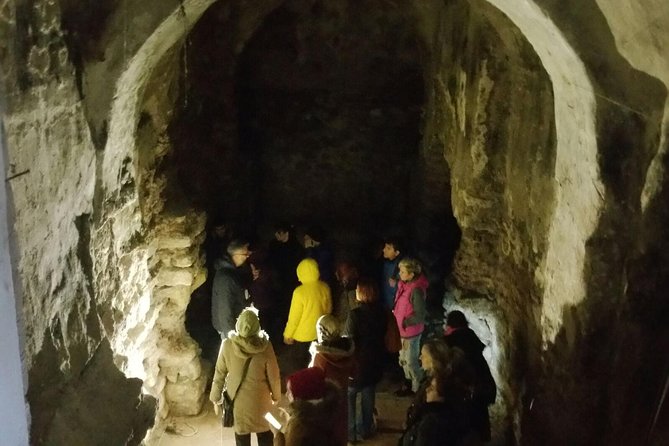
Istanbul is a city that keeps building on itself. That is exactly why this experience is so interesting: you go under the streets to see Byzantine remains that most visitors never get to witness in person. Ancient cisterns and the Constantine’s Palace area are the kind of stops that instantly make the whole city feel layered and real.
I especially like the way the guide work turns stones into stories, particularly around architecture you can actually see on-site, like Kucuk Ayasofya, a church converted into the mosque known today. The tour’s small scale also matters, since the group size tops out at 15 travelers, which makes it easier to ask questions and keep moving. One possible drawback: the time window is listed as 3 to 5 hours, and some days can feel closer to the lower end, plus there can be brief detours that feel more commercial than purely archaeological depending on the route.
Key Things That Make This Tour Worth Your Time
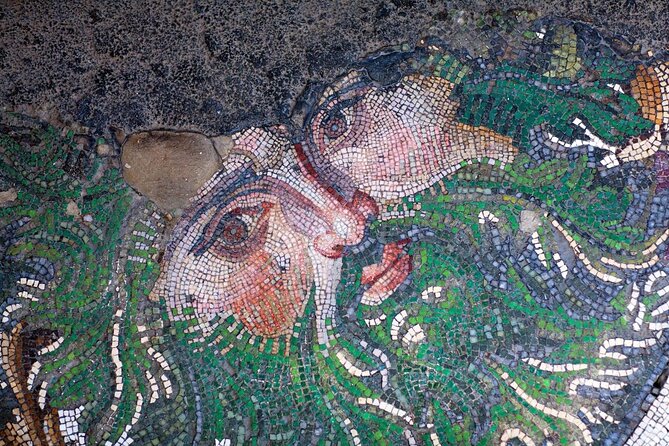
- Underground Byzantine remains: You get a view of the city’s deeper layer, where history sits under modern streets and buildings.
- Cisterns that change how you understand Istanbul: Water infrastructure becomes a story about daily life, power, and engineering.
- Constantine’s Palace stop: A chance to connect big names to physical spaces you can actually walk through.
- Kucuk Ayasofya explained on its own terms: You see how a church became a mosque and how the architecture influenced later designers, including those linked to Hagia Sophia.
- Hippodrome and Sultanahmet Square: You connect the chariot-race past to today’s most famous square area.
- Guides with strong reputations: Names like Ece and Ege show up often in positive feedback, especially for clear explanations and energy.
Why Byzantine Istanbul Feels Like It’s Hidden in Plain Sight
Here is the trick with Istanbul: it looks like one city, but you are standing on many. Empires changed, religions shifted, and buildings got repaired, reused, or covered. So when you start looking underground, the city makes a lot more sense.
This tour leans into that reality. Instead of treating the ruins like isolated souvenirs, you connect them to the logic of a city that kept growing right over its own past. You get to see how the ground level you walk on today is not the same ground level that existed centuries ago.
Other tours people book around Istanbul:
- Istanbul: Bosphorus Dinner Cruise & Show with Private Table
★ 4.8 · 44,561 reviews - Istanbul: Daytime or Sunset Sightseeing Cruise & Audio Guide
★ 4.8 · 14,430 reviews - Istanbul: Bosphorus Dinner Cruise with Turkish Night Show
★ 4.8 · 10,127 reviews
Stop 1: Roman and Byzantine Ruins Under Modern Buildings
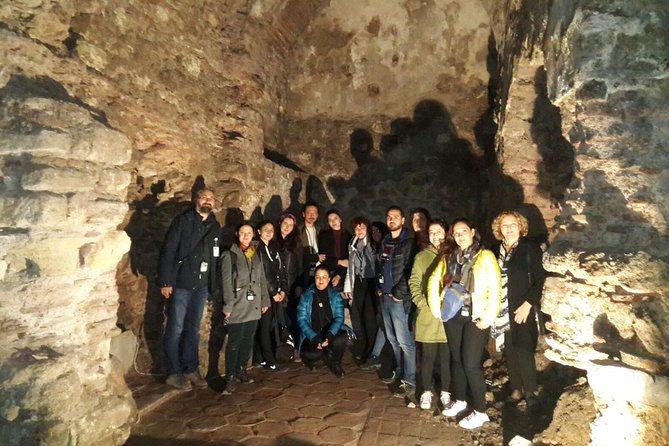
The main focus is the long stretch where you explore Roman and Byzantine ruins under the buildings around you. Even if you have visited Sultanahmet before, this part tends to feel different, because the history is literally below street level.
What I like about this format is the way it forces your brain to switch gears. You look up at shops and hotels, then you look down at evidence of earlier Istanbul. The result is a kind of time travel, but grounded in real material you can touch with your eyes.
A key part of the experience includes learning why so much Byzantine remains are underground. It is not just because someone hid things. It is also because the city kept living. Earth, debris, reconstruction, and reuse all play a role, and an effective guide helps you understand the chain.
Practical notes for this stop:
- Wear comfortable shoes, since you will spend time walking and looking around.
- Expect a mix of explanations and viewing, with a pace that works best if you can stay focused for a few hours.
Constantine’s Palace, Chapels, and Cisterns, What You’re Really Seeing
The tour promises more than one kind of underground site, and that matters. Cisterns teach you how cities functioned, not just how they looked. Byzantine chapels add a spiritual and cultural layer, since they help you understand what communities valued. And Constantine’s Palace gives you the big political anchor that ties the whole story together.
When the guide is strong, these stops feel connected rather than scattered. You start to see patterns: where people gathered, where water went, and how buildings reflected power. If you are a history person, this is the part that makes you feel like you are seeing Istanbul in a new way. If you are not a history person, the physical clues still work, because architecture and infrastructure are universal.
One thing to watch for is that some tours like this include short stops connected to crafts. In the feedback you provided, people referenced a rug shop or a tile shop demonstration in addition to the ruins. That can be a nice cultural break if you like art and material culture. If you want purely archaeological time, just go in with that expectation.
Stop 2: Kucuk Ayasofya, the Church-to-Mosque Story
This is the kind of stop that makes architecture personal. Kucuk Ayasofya, also known as the Gazi Suleyman Pasa Mosque, is described as a church turned into a mosque, and it even gets compared to Hagia Sophia through its architectural role.
You get about 20 minutes here, which means you need to use the time well. The guide’s job becomes important, because you do not want to just look at a building for photos. You want to understand the design decisions: how the space works, how the transformation happened, and why this site is tied to the development of later Ottoman architecture.
If you like when history is explained through buildings, this is one of the best stops on the route. It is short enough to fit the day, but it is specific enough to leave you with something you can remember.
Same city, a different way to spend a day:
- Best of Istanbul 1, 2 or 3-Day Private Guided Istanbul Tour
★ 5.0 · 8,922 reviews - Istanbul: Basilica Cistern Fast-Track Entry and Audio Guide
★ 4.6 · 7,521 reviews - Istanbul: Hagia Sophia Skip-the-Line Ticket & Museum Option
★ 3.7 · 4,958 reviews - Istanbul: Hodjapasha Whirling Dervishes Show & Exhibition
★ 4.4 · 4,790 reviews
Stop 3: Hippodrome and Sultanahmet Square’s Chariot-Race Past
The Hippodrome now sits within Sultanahmet Square, and that contrast is part of the fun. You stand in a busy, visible landmark area and you are reminded that this place once powered major public events, like chariot races and grand celebrations.
The visit here is about 15 minutes. That short timing can work well if your guide is good at compressing the essentials. You do not need a long lecture to get the point. The Hippodrome helps you connect the Byzantine era to a physical stage for mass gatherings.
My advice: treat this stop as a mental bridge. By the time you reach it, you have spent hours looking at underground layers. The Hippodrome brings you back up to the city’s surface story.
How Much Time You Should Plan For
The duration is listed as 3 to 5 hours, with a 10:00 am start and the tour ending back at the meeting point. In real life, time depends on group size, the pace of walking, and how much the guide needs to explain.
Based on the schedule structure, you should mentally plan for something closer to a half-day. If you are the type who hates rushing, give yourself breathing room after the tour too. You will likely want time to think through what you saw, and maybe grab a drink nearby.
One more small tip: if someone offers you a moment for a traditional coffee break during the day, take it. In the feedback you shared, people recommended getting a Turkish coffee for energy.
Price and Value, Is $45 a Deal?
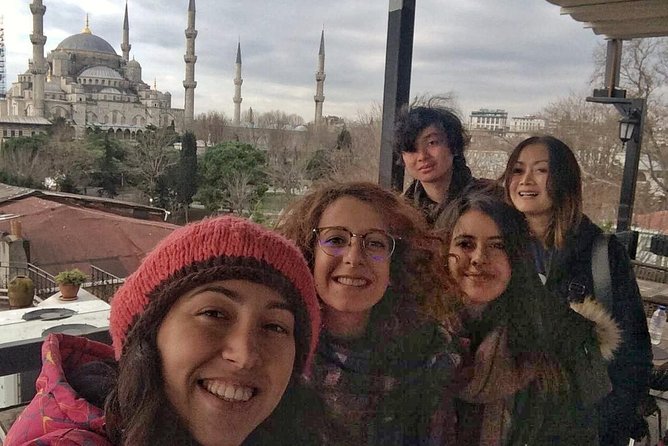
At $45, this tour is priced for value, especially if you consider that:
- You get a professional guide
- You get guided access to multiple underground-style sites
- The itinerary lists stops with admission ticket free for those specific components
In other words, you are not paying like it is a single attraction ticket. You are paying for context plus multiple stops in one window. That is what makes the price feel reasonable.
But value is personal. If you love ruins and want architecture and infrastructure explained, you will feel you got your money’s worth quickly. If you mainly want only grand, famous monuments with lots of time inside, you might wish there were fewer moving parts and more time per stop.
Also, the maximum group size is 15 travelers, so you can usually expect a more conversational pace than you would on a giant bus tour.
What’s Included, What You’ll Need to Bring
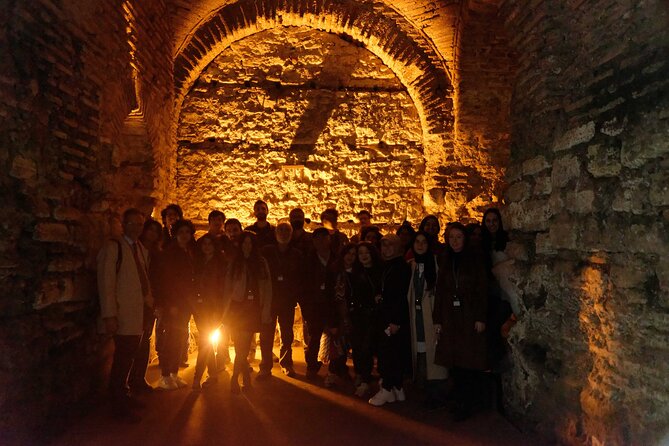
This experience includes:
- Taxes, fees, and handling charges
- Local taxes
- A professional guide
It does not include:
- Food and drinks
- Lunch
So plan on finding your own water, snack, or meal. If you get hungry mid-walk, it is better to handle it early rather than trying to power through. The underground spaces can make you underestimate how much time you spend looking slowly.
Bring your own small comfort items too:
- A phone with battery for your mobile ticket
- Layers, since underground spaces can feel cooler
- Comfortable shoes, seriously
Group Size and Meeting Point, Two Things That Can Affect Your Day
This is capped at 15 travelers, and that is a big deal for comfort and attention. Smaller groups usually mean fewer bottlenecks at entrances and more chances for back-and-forth questions.
The meeting point is clearly listed at Binbirdirek, Divan Yolu Cd. No:15, 34122 Fatih/Istanbul and the tour starts at 10:00 am. Because it ends back at the meeting point, you should plan your day around that time and location rather than assuming it returns you to a hotel.
If you are staying in the Sultanahmet area or nearby, you are likely fine. If your hotel is farther, build in time to reach the meeting point. There is mention that it is near public transportation, which helps.
Should You Book Ancient Rome Under Istanbul?
I think you should book this tour if you want Istanbul to feel like a layered city, not just a postcard city. This is best for history lovers, architecture fans, and anyone who likes seeing how infrastructure like water systems shaped daily life. It is also a good fit if you enjoy smaller-group guiding, since the max group size is 15.
Skip it if you want long, slow museum-style time at one marquee site. The pacing is spread across multiple stops, including a short Kucuk Ayasofya visit and a brief Hippodrome stop. Also, go in with your eyes open about the possibility of brief craft or shop stops, since some people report those as part of their day.
If you want a smart use of a half-day in Istanbul, and you are curious about what lies underfoot, this one makes a lot of sense.
FAQ
What does the tour cost?
The price is listed as $45.
How long is the experience?
It is listed as 3 to 5 hours (approx.).
Where is the meeting point, and what time does it start?
The meeting point is Binbirdirek, Divan Yolu Cd. No:15, 34122 Fatih/Istanbul, Türkiye, and the start time is 10:00 am.
How many people are in the group?
The tour has a maximum of 15 travelers.
Are admission tickets included?
The itinerary notes admission ticket free for the listed stops.
What is included in the price?
You get all taxes, fees, and handling charges, local taxes, and a professional guide.
Are food and drinks included?
No. Food, drinks, and lunch are not included.
Do I get a mobile ticket?
Yes. The tour includes a mobile ticket.
Are service animals allowed?
Yes, service animals are allowed.
Is the tour offered to most travelers?
It says most travelers can participate.
Can I cancel for a full refund?
Yes, you can cancel up to 24 hours in advance for a full refund.
Recently reviewed around Istanbul
- Highlights of Istanbul★ 5.0 · 34 reviews
- Istanbul Private Tours: 1, 2 or 3 Day Highlights★ 5.0 · 28 reviews
- Best of Istanbul: Basilica Cistern – Blue Mosque – Grand Bazaar★ 4.5 · 54 reviews
- Guided Hagia Sofia, Blue mosque, Basilica Cistern skip lines tour★ 5.0 · 115 reviews
- 7N 8D Full Package Highlight Turkey Trip★ 5.0 · 8 reviews
- 1 Day Private Guided Highlights of Istanbul Tour★ 5.0 · 40 reviews
- Hidden Treasure’s Of İstanbul Half Day Walking Tour★ 5.0 · 19 reviews
- PRIVATE ISTANBUL FOOD TOUR & Hidden Pearls of the old city★ 5.0 · 43 reviews