
Reviewed · GALLIPOLI & ANZAC BATTLEFIELD TOURS
Gallipoli Tour from Çanakkale – Lunch Included
Gallipoli is fascinating because the route itself tells the story, from the first landing lines to the high ground where hopes crashed. I like how this tour lays out the campaign in a clear order, and I also like that you get lunch included in a proper Turkish restaurant, not some rushed snack. One caution: the day can include bus changes after lunch, so if you want to stay with the exact same small group the whole time, plan for some reshuffling.
What makes the experience really work is the way the guide handles both sides of the story. I’ve seen this run with guides like Burak and Ibrahim (Ibo) who use humor without disrespect, and who connect the big events to real locations you can still stand on today. You should also expect some uneven walking, especially around memorial areas and trench remnants like Johnston’s Jolly Cemetery.
Gallipoli Tour Highlights From Çanakkale in Plain Terms
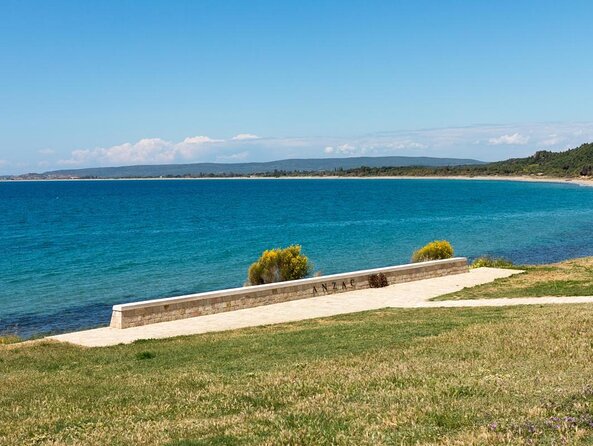
- ANZAC Cove viewpoints that help you picture how hard the landing day was in April 1915
- Second Ridge trench lines with Allied and Turkish positions still traceable along the route
- Lone Pine and Johnston’s Jolly memorial stops for context and names that deserve attention
- Chunuk Bair at the highest point and the New Zealand national memorial for the closing chapter
- Lunch set menu with vegetarian option, plus drinks not included so you stay in control of costs
- Ferry crossings across the Dardanelles, which makes the day feel like a real local trip, not a bus-only script
First You Cross, Then You Start Making Sense of 1915
This is a Gallipoli tour from Çanakkale designed around one practical idea: time is limited, so you need a route that actually connects the dots. You start from your hotel area in Çanakkale, then head to the ferry terminal and cross the Dardanelles to Eceabat. That short crossing matters more than it sounds. It gets you out of “museum mode” and into “this is the geography that decided things” mode fast.
The timing is built for a late-morning start, with pickup arranged based on where your hotel is. From there, you’ll board the coach for the drive along the Gallipoli Peninsula to the main sites. The day runs about 6.5 hours total, and admission tickets for the planned stops are included.
A big value point here is that you are not left on your own to read panels and guess. You get an experienced guide who explains what happened before the landing, what went wrong on the day, and how the fighting stretched into months of brutal stalemate. Guides like Burak and Charlie, who are repeatedly praised for storytelling and pacing, are the reason the stops feel connected instead of scattered.
The Ferry to Eceabat, Then Lunch With Local Rhythm
After you arrive in Eceabat, once the ancient city of Madytos, you go straight to lunch at a local restaurant. This is one of those details that makes a long battlefield day easier to handle. When lunch is built in and planned, you spend less energy trying to find food at the exact wrong moment.
The lunch is a set menu, and there is a vegetarian option. Drinks at lunch are not included, so if you like tea, water, or anything stronger, budget for it separately. This is not a “tourist buffet” setup. The idea is to keep you fed in a way that feels normal for the area.
One more practical detail: some part of the day may involve splitting into different vehicles after lunch. That can be no big deal if you travel with a flexible mindset, but it is something to know if you are traveling solo and want to stay with the same people the whole time. If you’re sensitive to being far from the guide, aim for a seat where you can hear clearly when you re-board after lunch.
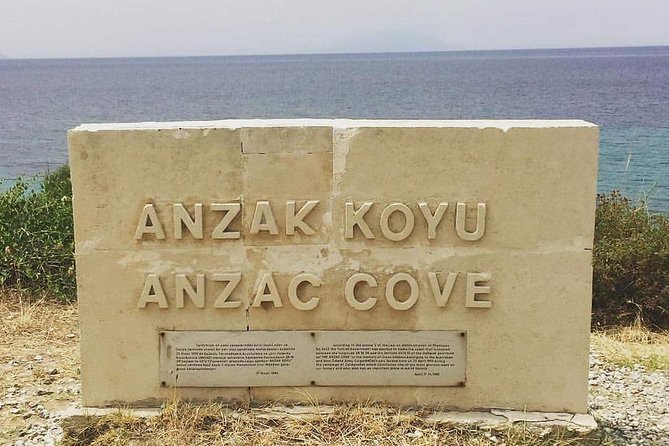
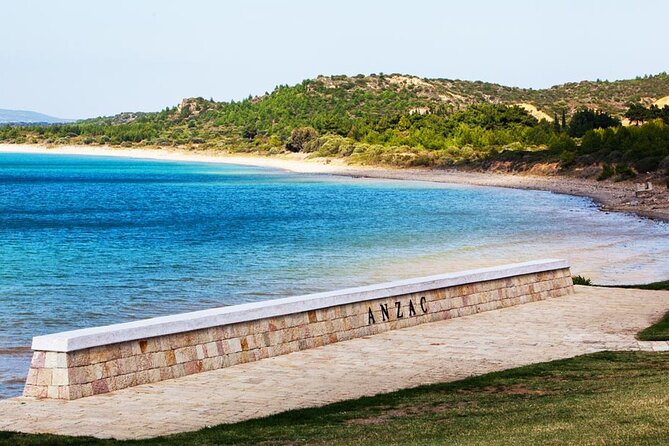
ANZAC Cove: Landing Day Told Where You Can See It
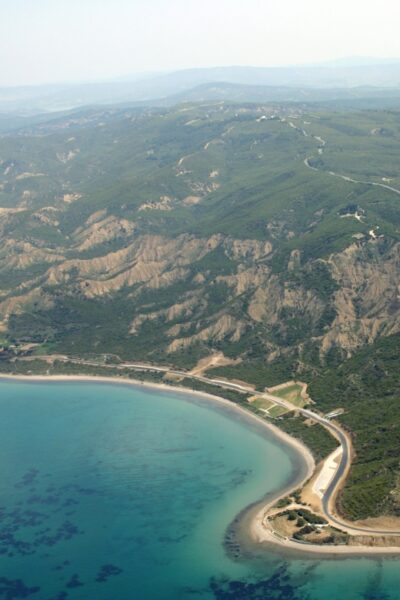
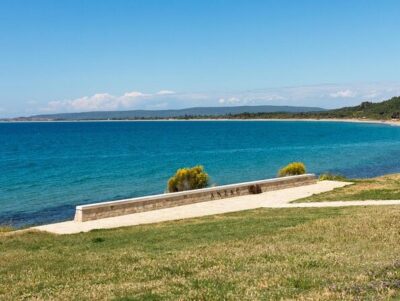
The centerpiece of the first stretch is ANZAC Cove. You’ll drive out to the peninsula and then start with the landing area, with the guide explaining the lead-up to April 25, 1915. This part works best if you listen for cause and effect. The landing is not just a moment. It’s a chain reaction of terrain, timing, and decision-making that shaped everything that followed.
You’ll also get standing views above ANZAC Cove. That matters, because looking down on the coast helps you understand why troops struggled to move and why the fighting became so stubborn. It’s one thing to read about it. It’s another to stand with the air and the shoreline in front of you.
Then you visit the grave of John Simpson Kirkpatrick, the stretcher bearer known as the Man with the Donkey, who carried wounded soldiers using a stolen donkey. This stop is short, but it hits hard because it adds a human scale to a campaign that can otherwise feel like numbers and dates.
In between, the guide keeps the story moving. People repeatedly talk about the guide’s mix of seriousness and light humor, and I think that’s the right balance here. Gallipoli deserves respect, but you also need your brain to stay awake long enough to understand why these locations matter.
Second Ridge and the Seven-Month Grind
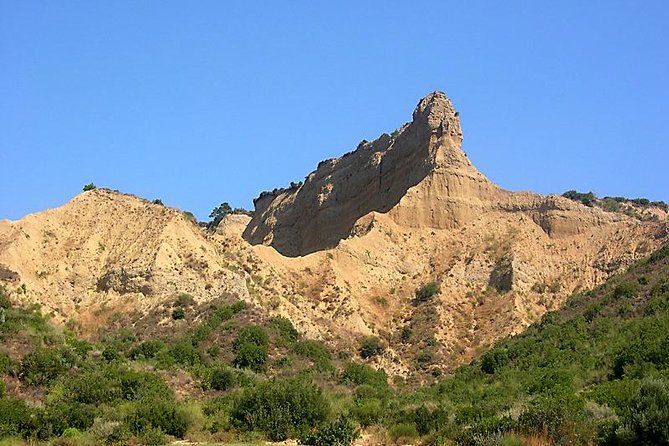
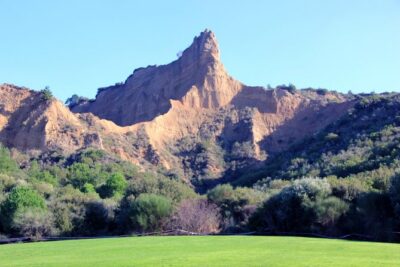
After the cove area, the route moves into the hills and toward Second Ridge. This is where the tour earns its time. The guide traces the battle line along what became Second Ridge, describing how the Allied advance was halted on the first day and how the front line then stayed locked in place for about seven months.
Second Ridge is not just a viewpoint. It’s an “infrastructure of war” route. As you drive along the ridge road, you get stops at places where trench lines and positions are still readable. The sense you get is that this was a system, not a single charge that ended quickly.
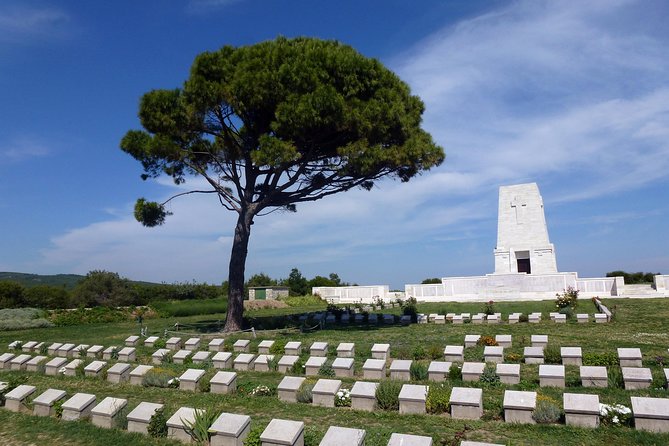
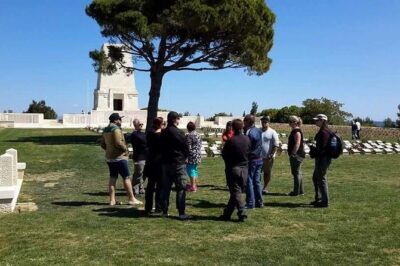
You’ll visit cemeteries and memorials that give structure to the story, including the Australian memorial at Lone Pine. The Lone Pine memorial commemorates almost 5,000 Australians with no known grave. That fact is heavy, and the stop is meant to be more than a photo op. You’re guided through the meaning of what is remembered here.
Next comes Johnston’s Jolly Cemetery, where you walk through abandoned trench areas and tunnel entrances. This is one of the most vivid parts of the day because it turns abstract descriptions into something physical. Even if you don’t think you’ll be moved by battlefield tourism, trench remnants tend to do something to your imagination. They show the effort it took just to survive, let alone fight.
Chunuk Bair: The High Ground and Why It Ended Hopes
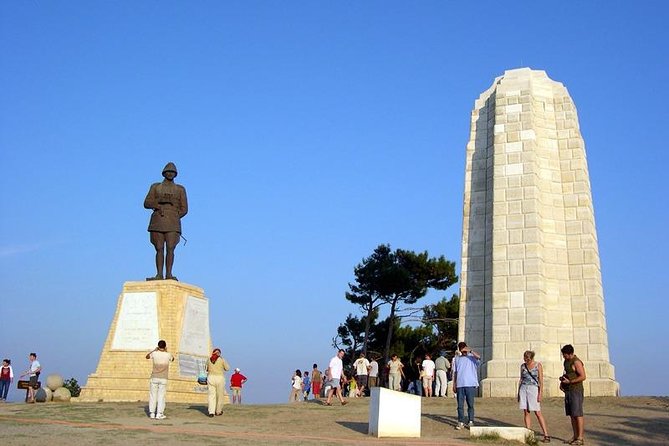
The final stop is Chunuk Bair, one of the highest points on the peninsula and the site of the New Zealand national memorial. If you want a “closing chapter” in a campaign story, this is it. The guide explains that New Zealand troops captured the hill in August, held it for two days, and then lost it when Ottoman forces recaptured it under Mustafa Kemal’s personal command.
Mustafa Kemal later became a central figure in the creation of modern Turkey, which is why this stop holds meaning for both Turkish and ANZAC perspectives. It’s not just about commemorating soldiers. It’s also about how this campaign shaped identities and national memory.
Chunuk Bair is also where the tour brings the scale back to names. More than 850 New Zealand soldiers who fell in the area are commemorated on the memorial. The tour ends here because the recapture effectively dashed Allied hopes of victory at Gallipoli. That’s the kind of historical “why” you feel you’re earning, step by step, all day long.
Guide Style: The Real Difference Between a Good Tour and a Great One
The most praised aspect of this experience is the guiding. It’s not just that the guide knows dates and locations. It’s the way they frame the story so you understand it without feeling lectured.
In this tour, you’ll notice a repeated pattern in the feedback: guides like Burak, Charlie, Hasan, Bulant, and Ibrahim (Ibo) are described as passionate and respectful, with humor used as a tool for clarity. They also seem to connect both sides of the conflict, which helps you avoid the common problem of one-sided battlefield tours.
I also like that the tour pace includes short explanations at each stop and then time to look around. That approach matters. Battlefield sites are visual. If you only hear a speech and never get a moment to look, you miss the point.
One small but memorable detail from the way the day can run: sometimes the guide will accommodate personal requests, like making an unscheduled stop for someone’s family connection at a cemetery. That kind of flexibility is not the headline, but it’s part of why the day feels human, not mechanical.
Price, Value, and What You Are Really Paying For
At $83.45 per person, this is not a budget bus-only add-on. You are paying for a full route that includes ferry crossings, air-conditioned transport, admission ticket coverage, and a set lunch.
Here’s how I think about value on a day like this:
You’re not paying extra for entrance fees, which removes a common “gotcha” on battlefield tours. You’re also not paying for a random lunch, because lunch is built into the plan with a vegetarian option. And the guide is the main service you’re buying, the thing that turns stops into understanding.
Could you book transport and do it on your own? Sure. But without a route designed for this specific campaign story, it’s easy to get overwhelmed and miss the meaning behind the memorials. This tour is priced like a single-day education with logistics handled, and that fits a lot of travelers’ reality when they only have a short window in Çanakkale.
Who This Tour Suits Best (And Who Might Want a Different Day)
This is a strong match if you:
- Want an organized Gallipoli campaign route without spending your day planning
- Care about ANZAC and Ottoman perspectives, explained together
- Prefer a guide-led format with time at key sites, not a nonstop photo sprint
- Like the idea of lunch included so you can focus on the day instead of logistics
It may be less ideal if:
- You are very sensitive to seating and audio, especially if you end up on a different vehicle after lunch
- You need a perfectly fixed group for the whole day, with no switching
Good shoes help on any battlefield tour, since you’ll walk through areas around memorials and trench remnants. Bring a layer too. Coastal wind can change fast on the peninsula.
Practical Tips So Your Day Feels Smooth
- Bring your questions. If you’re curious about why the fighting stalled or how specific memorials relate to the day-by-day story, the guide is there for it.
- Watch your footing at places like trench entrances where surfaces may be uneven.
- Plan for a somber tone. This is a place built for remembrance. Even when guides add humor, the subject stays serious.
- Budget lunch drinks separately since they aren’t included.
- Arrive a bit early for pickup timing, since the start is planned around ferry connections and the peninsula drive.
Should You Book the Gallipoli Tour From Çanakkale?
I’d book this if you want a structured Gallipoli day that makes the campaign story click, with stops you can actually stand on: ANZAC Cove, Lone Pine, Johnston’s Jolly, and Chunuk Bair. The price feels fair for what’s included, especially admission, ferry crossings, air-conditioned transport, and lunch with a vegetarian option.
If you’re the type who hates any chance of bus or group reshuffling after lunch, you’ll want to consider that possibility and set expectations ahead of time. For most people, the trade-off is worth it because the guide work is the star, and it’s repeatedly praised for respect, storytelling, and pacing.
If Gallipoli is on your list, this is one of the easier ways to do it without wasting daylight.
FAQ
How long is the Gallipoli tour from Çanakkale?
It runs for about 6 hours 30 minutes.
What is the starting point for this experience?
The start is at the Tourist Information Centers, Kemalpaşa, İskele Meydanı No:1, 17100 Çanakkale Merkez, Çanakkale, Türkiye.
Is hotel pickup available?
Yes, pickup can be arranged according to your hotel meeting point location.
Is lunch included?
Yes. Lunch is a set menu, and a vegetarian option is available. Drinks at lunch are not included.
Does the tour include ferry transportation?
Yes. The itinerary includes a ferry crossing across the Dardanelles to Eceabat and a ferry return at the end.
Are admission tickets included?
Yes, admission tickets are included.
What time does the tour start?
The start time is listed as 10:30am, and the itinerary describes pickup and start around 11:30am, depending on pickup location.
Is the tour offered in English?
Yes, it is offered in English.
What is not included in the price?
Drinks at lunch and tips for the guide and driver are not included.
What if weather affects the day?
This experience requires good weather. If it’s canceled due to poor weather, you’ll be offered a different date or a full refund.
What is the cancellation policy?
Free cancellation is available up to 24 hours in advance for a full refund. If you cancel less than 24 hours before the start time, the amount paid is not refunded.
More Troy and Canakkale Day Trips
- Troy: Full-Day Tour from Istanbul
★ 4.7 · 312 reviews - Istanbul to Gallipoli, Canakkale and Troy. 2 Day Tour with Hotel
★ 5.0 · 144 reviews - Istanbul to Truva Troy Guided Day Tour with Lunch and Transfers
★ 4.5 · 134 reviews - Full-Day Troy Tour From Istanbul
★ 4.5 · 123 reviews
More Gallipoli and ANZAC Battlefield Tours
- Istanbul to Gallipoli Full Day Tour with Lunch and Transfers
★ 5.0 · 567 reviews - Gallipoli Full-Day Tour from Istanbul
★ 4.9 · 468 reviews - From Istanbul: Gallipoli and Anzac Full-Day Tour
★ 4.9 · 345 reviews - Canakkale: 6-Hour Gallipoli Tour with Lunch
★ 5.0 · 168 reviews
Gallipoli & ANZAC Battlefield Tours, compared.
Istanbul to Gallipoli Full Day Tour with Lunch and Transfers
Read our review →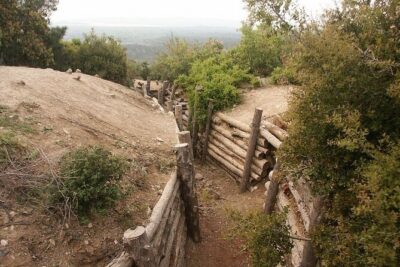
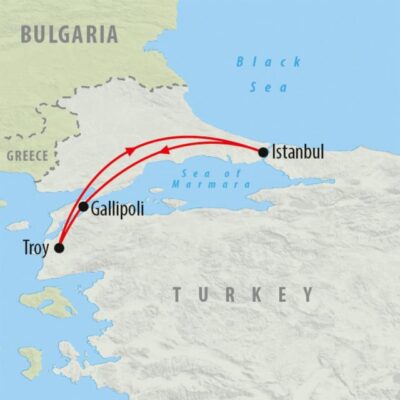
Istanbul to Gallipoli, Canakkale and Troy. 2 Day Tour with Hotel
Read our review →
6 Days Turkey Tour Cappadocia, Pamukkale, Ephesus, Gallipoli Troy
Read our review →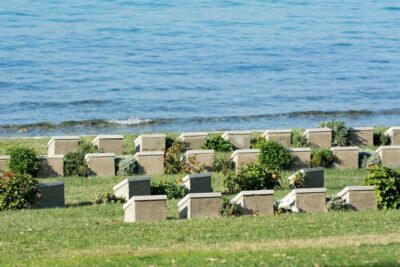
Browse the lists this tour appears in